Atmosphere
Fog, rain, haze, and environmental texture that thicken the world.
16 techniques
Atmospheric Haze
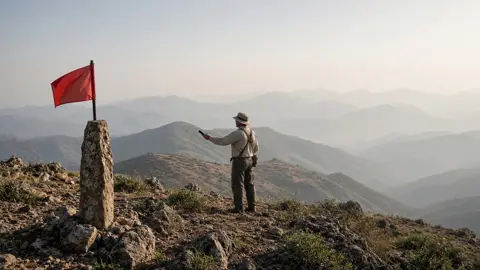
Atmospheric HazeDistance-dependent scattering lowers contrast and shifts far scenery toward the sky color while nearby objects remain clearer.
Dust and Sand
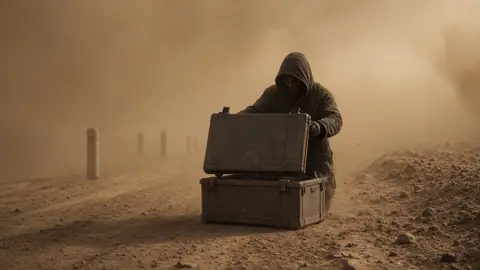
Dust and SandWind-driven airborne dust and sand reduce visibility at working distance and move coherently with exposed cloth and debris.
Dust in Light
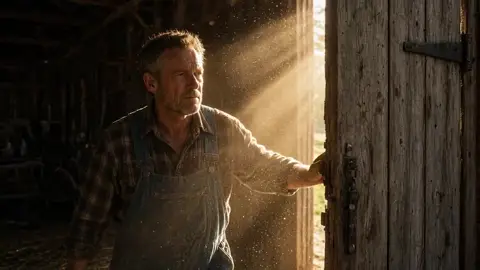
Dust in LightSmall suspended particles become individually visible where a directional light beam crosses otherwise darker air.
Dust Motes

Dust MotesCountable slow-moving particles scatter a beam toward the lens without forming a continuous cloud.
Fog
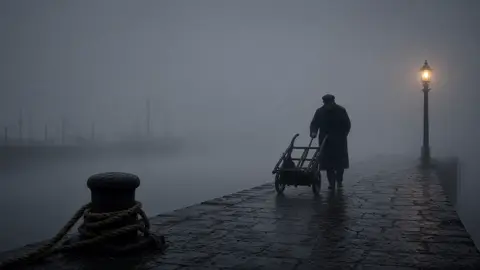
FogDense suspended droplets suppress contrast over short distances, causing far objects to disappear before nearby ones.
Fog & Haze
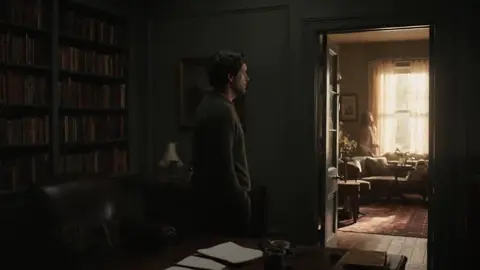
Fog & HazeA combined atmosphere design uses a denser local veil and a lighter distance gradient; their spatial roles remain distinct.
Mist
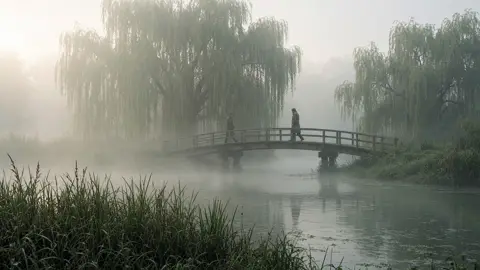
MistA light veil of suspended droplets softens depth layers while leaving the principal subject visible through it.
Neon Night
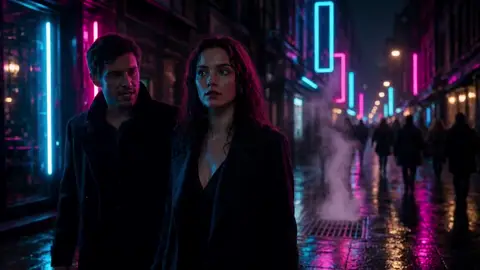
Neon NightA nighttime environment combines colored practical illumination with dark surroundings and surface reflections tied to real sources.
Ocean
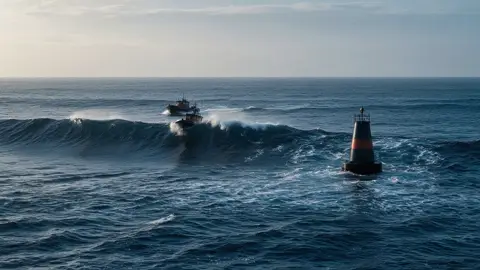
OceanOcean surface imagery gives swell, horizon and spray active spatial roles rather than treating water as a flat backdrop.
Rain
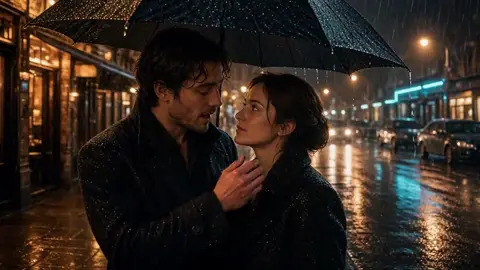
RainFalling droplets form moving streaks and interact with surfaces through splashes, wetting and reflection.
Smoke
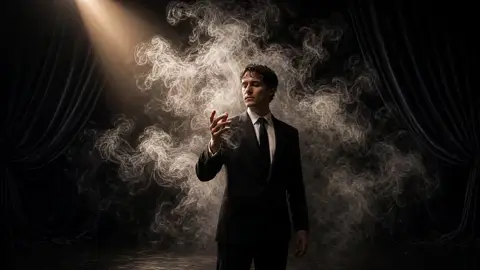
SmokeA localized source produces coherent curling particulate flow, distinguished from a uniform weather veil.
Snow
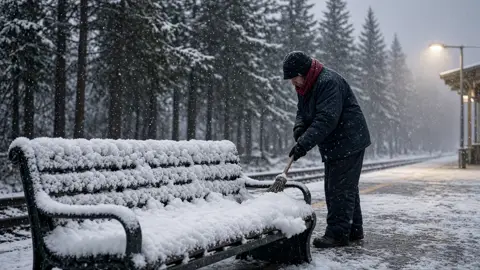
SnowFalling flakes move through depth and accumulate on exposed surfaces, differentiating snow from rain or image noise.
Sparks and Embers
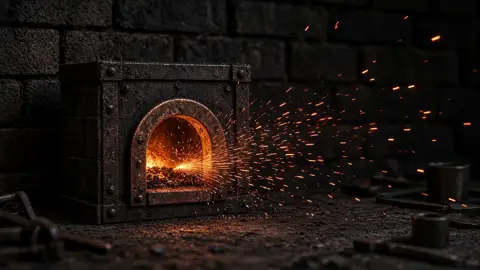
Sparks and EmbersBrief incandescent particles emerge from an identifiable source, follow physical trajectories and dim as they cool.
Steam
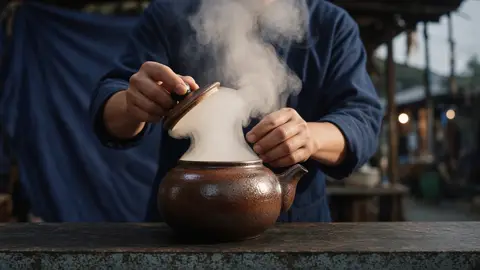
SteamA hot-water source creates a visible condensation plume that rises, mixes with cooler air and dissipates.
Underwater
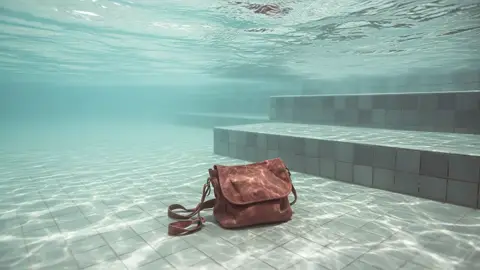
UnderwaterA submerged viewpoint involves waterborne scattering, refraction, buoyancy and surface-driven light patterns, not a blue dry scene.
Wet-Down
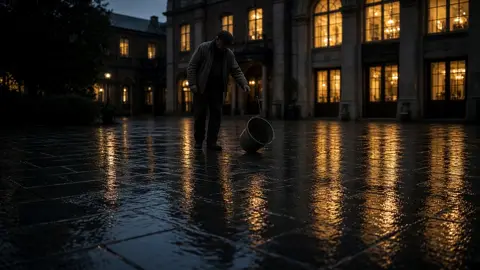
Wet-DownA wet surface creates enhanced specular reflections without requiring falling rain in the shot.