Camera Movement
How the camera travels through space — pans, dollies, cranes, handheld, and more.
117 techniques
360-Degree Orbit
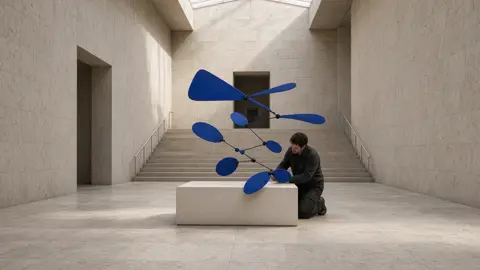
360-Degree OrbitA 360-degree orbit moves the camera through a complete circle around a subject, usually maintaining radius and aiming inward.
360-Degree Shot
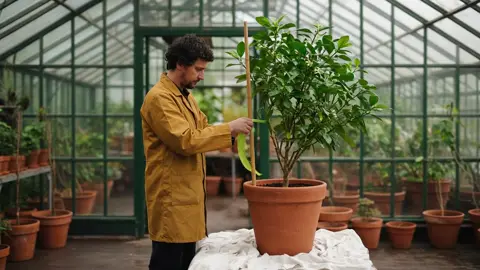
360-Degree ShotThis 360-degree-shot entry is the complete-orbit alias: a directed camera travels all the way around one subject, not a spherical recording.
3D Rotation
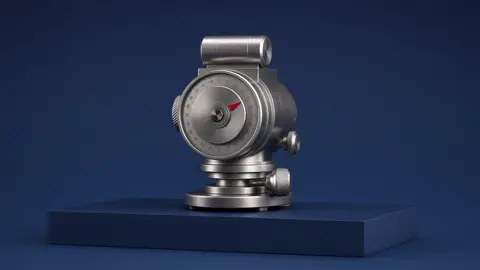
3D RotationA virtual turntable-style camera inspects a fixed sculptural subject from successive sides in a controlled studio space.
Aerial
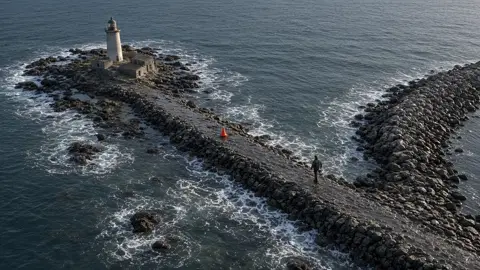
AerialAn aerial view observes broad geography from an elevated flying camera, keeping a stable spatial anchor as it travels.
Aerial Pullback
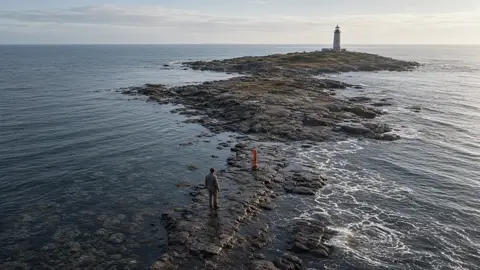
Aerial PullbackAn aerial pullback combines increasing altitude with retreat, shrinking an anchored subject inside an expanding landscape.
Aerial Push In
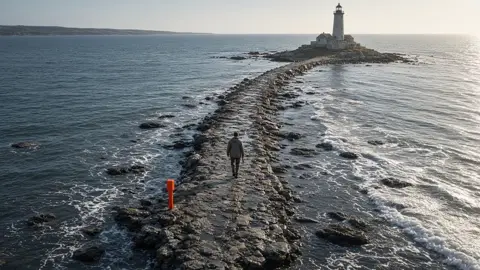
Aerial Push InAn aerial push advances and often descends from a geographic view toward one selected subject without replacing travel with a map zoom.
Arc

ArcAn arc carries the camera along part of a circle around a subject while continuously aiming toward it.
Arc Left

Arc LeftArc left begins traveling toward camera-left on a curved path while turning the head inward to retain its subject.
Arc Right
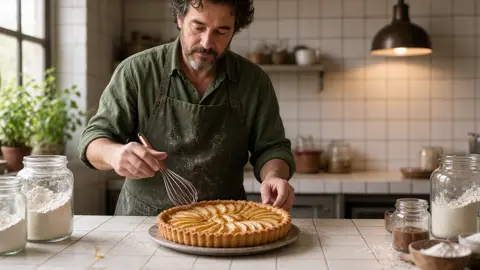
Arc RightArc right begins traveling toward camera-right along a partial circle, with the camera continually facing the central subject.
Arc Shot

Arc ShotArc shot is a partial-orbit family term; this longer sweep changes the viewing side without completing a full revolution.
Bolt Cam
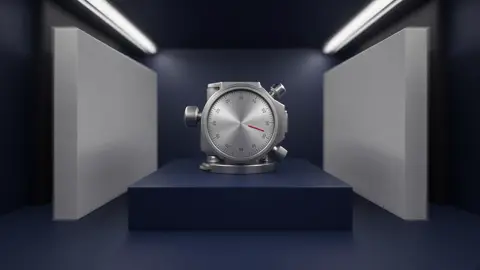
Bolt CamThis named move drives the viewpoint rapidly toward a target and ends with an abrupt impact-like stop, with strong travel parallax.
Boom Shot
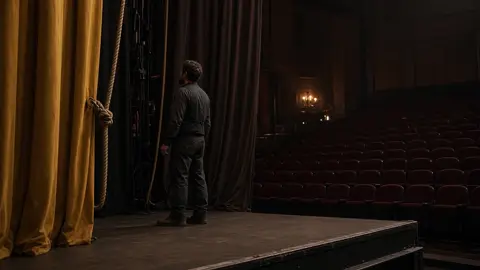
Boom ShotBoom shot names supported raising or lowering of the camera on an arm; this study booms upward to reveal seating beyond a stage edge.
Buckle Up
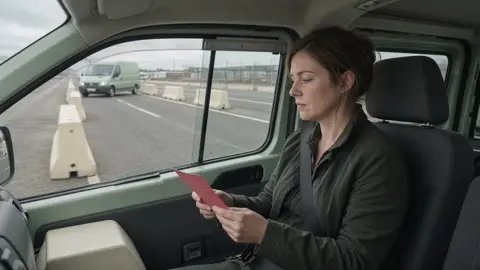
Buckle UpBuckle Up fixes the camera inside a moving vehicle's cabin, keeping interior occupants stable against a traveling view through the windows.
Camera Roll
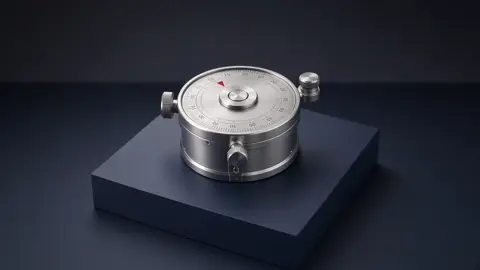
Camera RollA camera roll rotates continuously around the optical axis, potentially passing through sideways and inverted orientations without orbiting the subject.
Camera Roll Clockwise
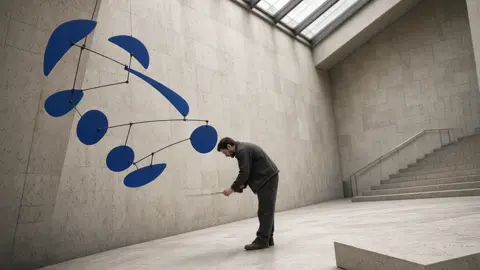
Camera Roll ClockwiseClockwise camera roll turns frame orientation clockwise around the optical axis while keeping the camera station and viewing axis fixed.
Car Chasing
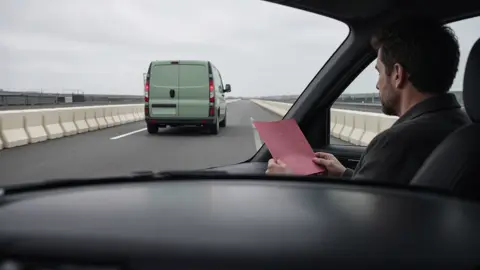
Car ChasingA chase-vehicle viewpoint pursues another vehicle along a shared road axis, making the spacing between the two machines readable.
Car Grip
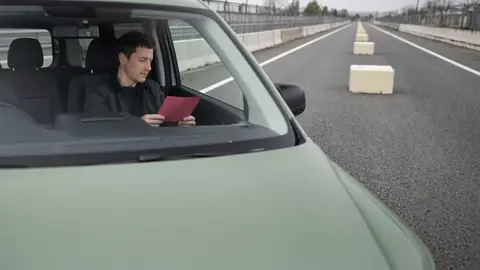
Car GripCar Grip fixes the camera to exterior vehicle bodywork, which remains a near anchor as road and surroundings pass.
Car Mount Side
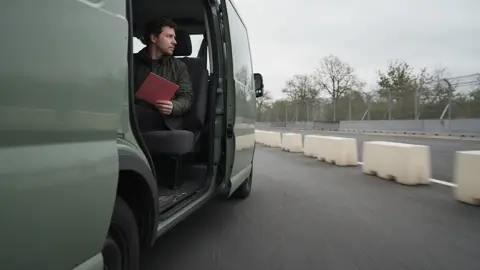
Car Mount SideA side car mount fixes the viewpoint to a door or flank, retaining a body edge while wheels and roadside motion reveal travel.
Choreo
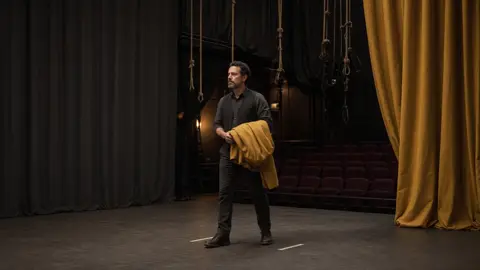
ChoreoA choreographed camera follows a rehearsed movement phrase whose accents and pauses are synchronized with the performer's actions.
Conveyor
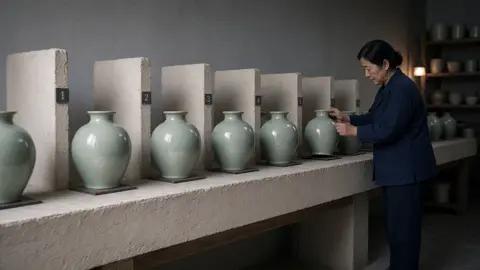
ConveyorA conveyor-style move advances laterally at a constant rate past repeating units, emphasizing a process rather than accompanying a walker.
Crane Down
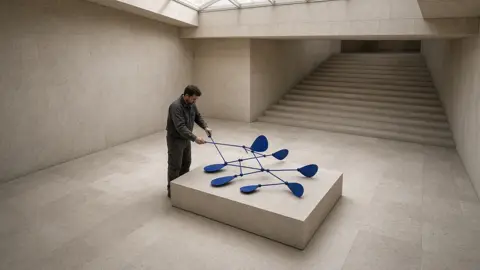
Crane DownCrane down lowers an elevated supported viewpoint toward human scale, with a planned head adjustment to retain the target.
Crane Over
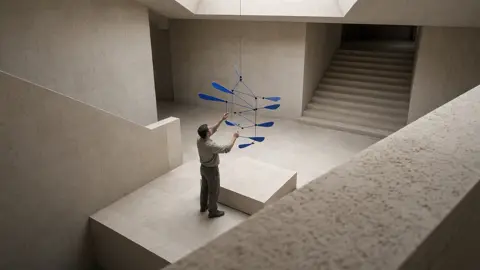
Crane OverIn this Melies-aligned crane-over study, the camera rises, advances over an obstruction and pitches down to a near-overhead destination.
Crane Over The Head
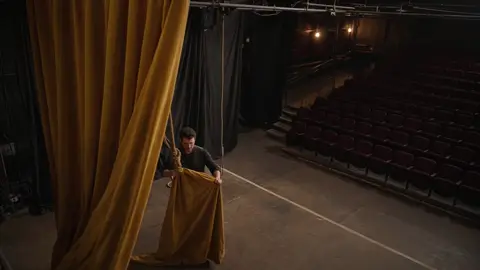
Crane Over The HeadCrane over the head rises and advances above a person until the view approaches a direct downward plan of that person and floor.
Crane Shot
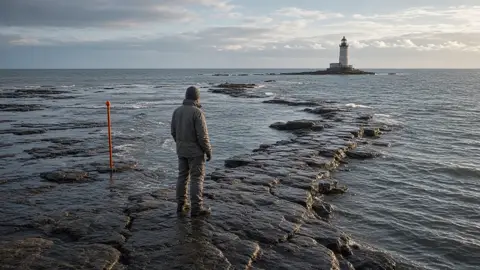
Crane ShotA crane shot transports the camera on a supported arm through a designed vertical and horizontal path rather than rotating from a tripod.
Crane Up
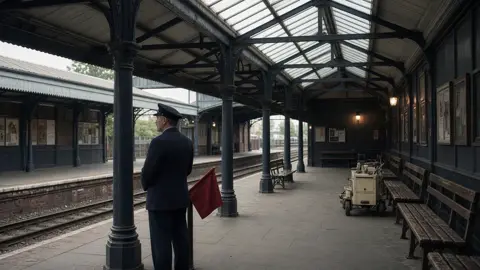
Crane UpCrane up raises the viewpoint substantially, often easing backward and tilting to retain an anchor as more geography becomes visible.
Crash Zoom
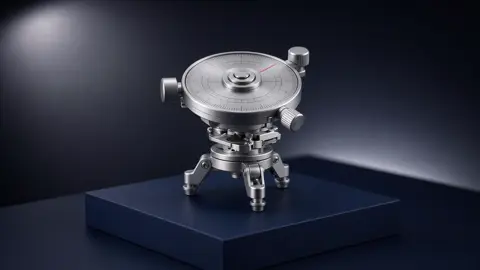
Crash ZoomA crash zoom is a conspicuously fast focal-length change followed by a hold, with the camera body remaining essentially fixed.
Crash Zoom In
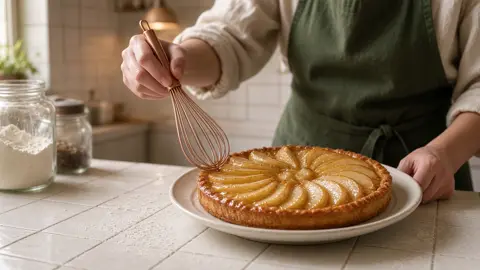
Crash Zoom InCrash zoom in quickly increases focal length to punch from a broader view into a detail, then holds without physical forward travel.
Crash Zoom Out
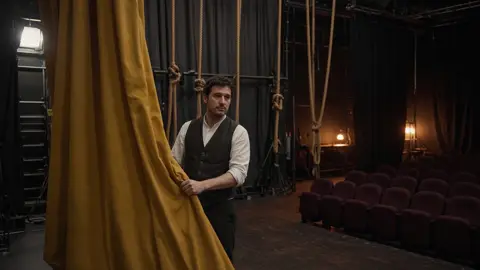
Crash Zoom OutCrash zoom out rapidly reduces focal length, exposing a much wider context before settling at the same physical camera station.
Dolly
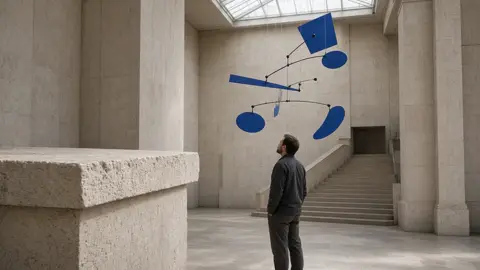
DollyThe camera translates on a smooth supported path, changing viewpoint and spatial overlap rather than only image scale.
Dolly In

Dolly InA dolly in physically approaches along the viewing axis, making depth relationships change as the subject grows.
Dolly Left

Dolly LeftA leftward lateral dolly moves the camera sideways without turning the lens to imitate translation.
Dolly Out

Dolly OutA dolly out retreats through space, revealing surroundings with changing occlusion and relative scale.
Dolly Right
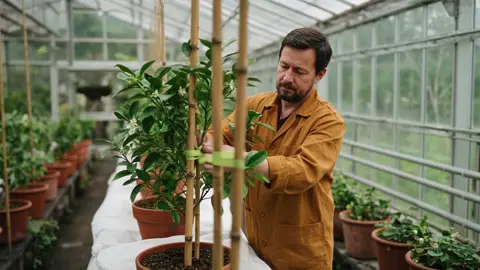
Dolly RightA rightward lateral dolly changes the camera station sideways, producing depth-dependent horizontal displacement.
Dolly Zoom

Dolly ZoomA dolly zoom pairs forward travel with zooming wider, or backward travel with zooming tighter, to hold subject size while changing perspective.
Dolly Zoom In
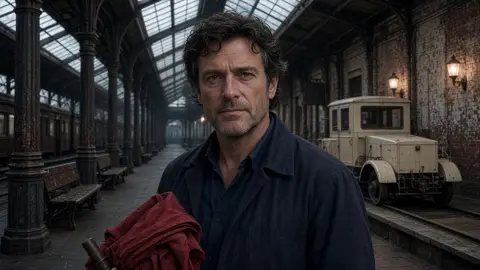
Dolly Zoom InDolly zoom in moves the camera toward the subject while reducing focal length, compensating the approach to approximately preserve subject size.
Dolly Zoom Out
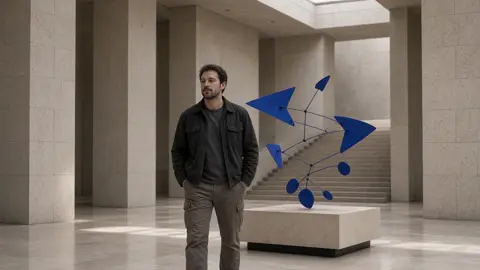
Dolly Zoom OutDolly zoom out retreats from the subject while increasing focal length, compensating the retreat to hold the subject approximately constant in frame.
Double Dolly
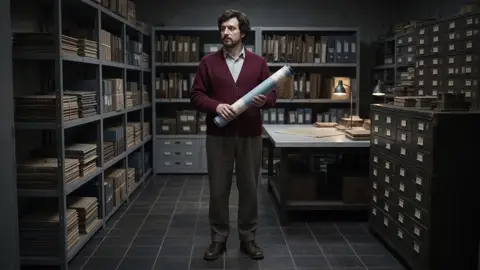
Double DollyA double-dolly-style setup transports subject and camera together, preserving their relative pose while the environment glides past.
Drone Orbit
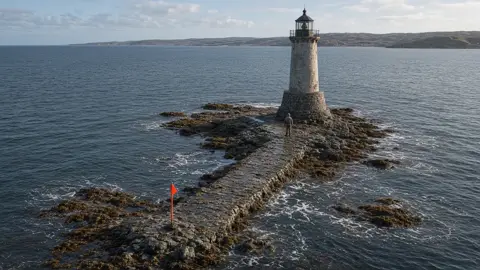
Drone OrbitA drone orbit follows a circular airborne path around a target; a chosen partial or complete sweep changes its visible sides while maintaining altitude.
Drone Reveal

Drone RevealA drone reveal uses airborne displacement to clear a foreground obstruction and expose a previously hidden subject or landscape.
Drone Shot
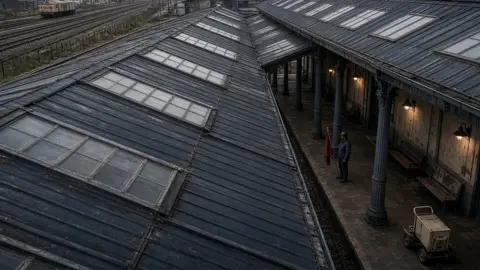
Drone ShotThis drone-shot variant uses an elevated, stabilized forward flight to connect a roof layout with an adjacent human-scale landmark.
Dutch Roll
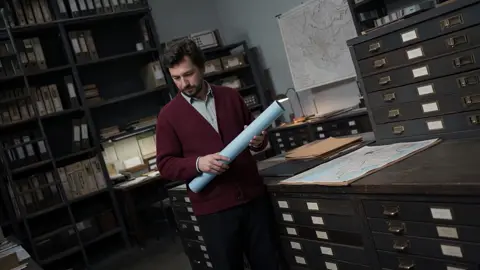
Dutch RollA Dutch roll changes a level frame into a deliberate limited cant, or back again, through timed optical-axis rotation rather than a full spin.
Earth Zoom
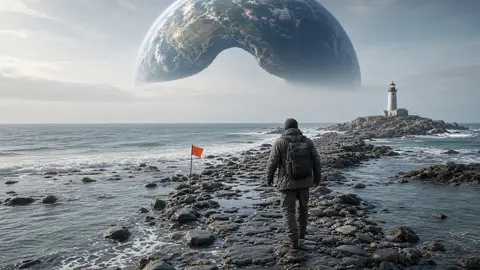
Earth ZoomAn Earth zoom connects nested planetary, regional, local and human scales along an apparently continuous route.
Eating Zoom

Eating ZoomAn eating zoom is a short optical snap onto a recognizable bite at the mouth, then a hold.
Eyes In
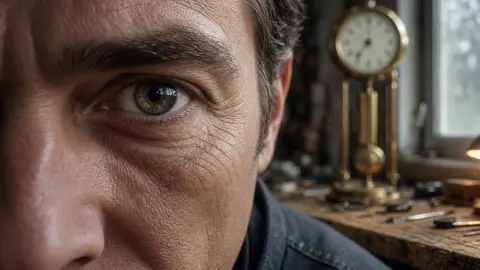
Eyes InAn eyes-in move physically approaches the gaze until the eye becomes the principal visual space.
Falling
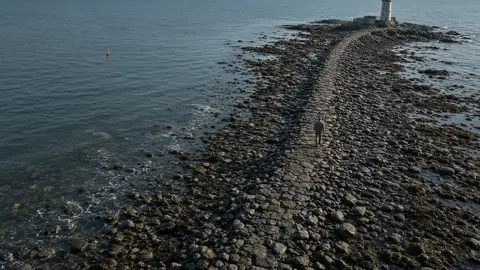
FallingA falling-camera view accelerates downward as a gravity-led viewpoint rather than descending at a chosen constant crane speed.
Fixed Cam
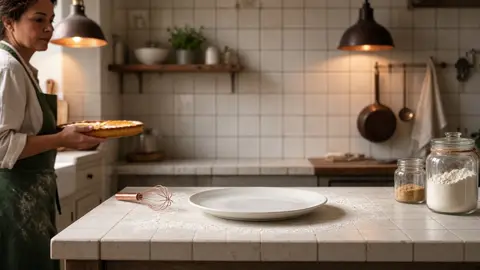
Fixed CamA fixed camera leaves the visual development to blocking rather than reframing.
Flying Cam Transition
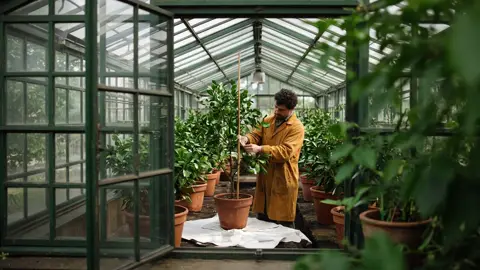
Flying Cam TransitionA flying-camera transition follows one continuous airborne path through a building threshold and settles in a second space.
Focus-Pull Dolly
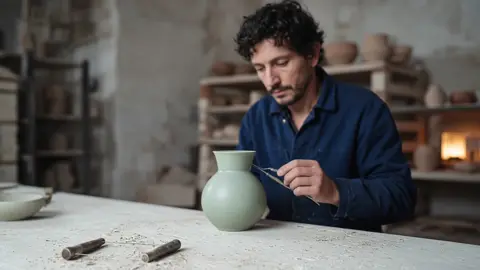
Focus-Pull DollyA focus-pull dolly combines a real camera translation with an independently timed shift of attention between depth planes.
Follow Shot
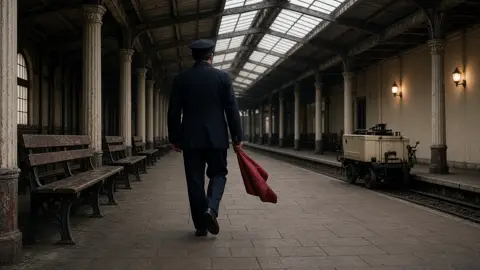
Follow ShotThis follow variant trails from lower than eye height while retaining the subject's rear view and fixed offset.
Follow Shot
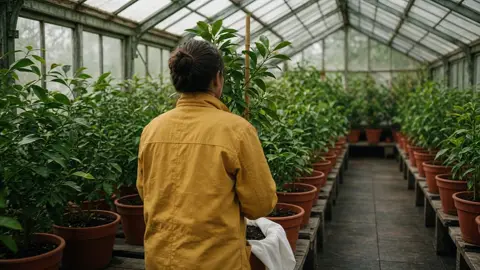
Follow ShotA follow shot trails the subject at a chosen offset, usually looking past their back into the route ahead.
FPV Drone
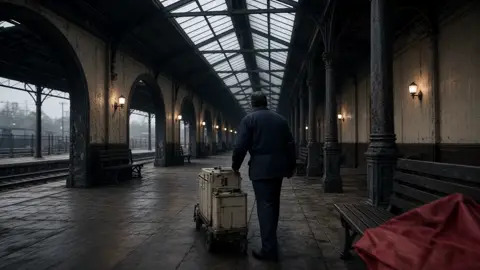
FPV DroneAn FPV-style flight emphasizes forward proximity, acceleration and banked turns through a planned three-dimensional route.
FPV Through Gap
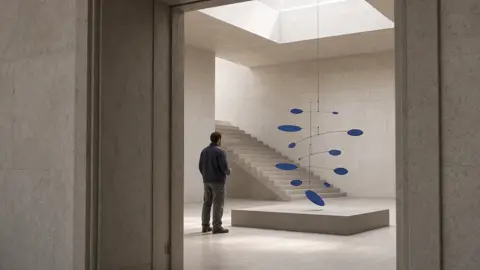
FPV Through GapAn FPV-through move flies through a real opening, making the approaching jambs and their passage establish continuity and clearance.
Gimbal
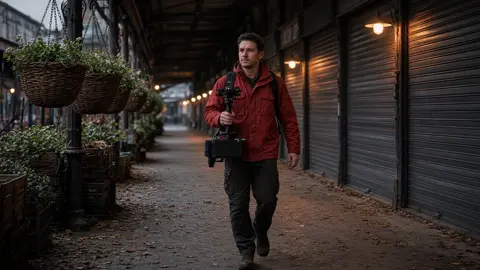
GimbalA motorized gimbal stabilizes orientation while the carrier still translates through a location.
Gimbal Orbit
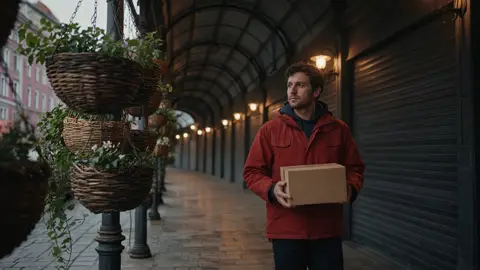
Gimbal OrbitA gimbal orbit combines a walked curved path with motor-stabilized camera orientation, retaining real circumferential parallax.
Handheld

HandheldHandheld support retains weighted body shifts and operator reactions instead of isolating every disturbance.
Handheld Run
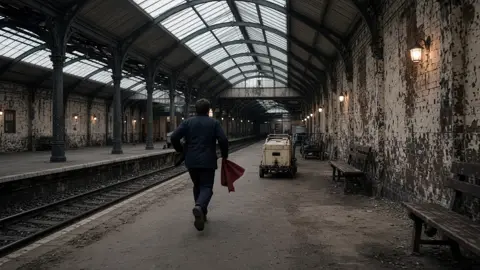
Handheld RunRunning handheld adds gait-linked impulses while a real route remains readable.
Head Tracking
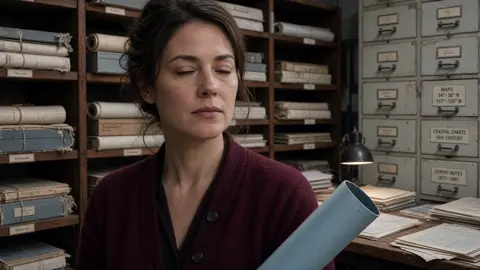
Head TrackingHead tracking locks the viewpoint to the head's transform so the face remains pinned while the surroundings swing with head turns.
Hero Cam
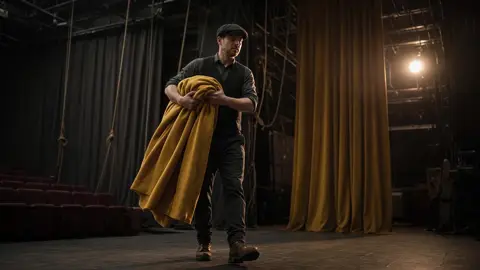
Hero CamHero cam combines a low front-oblique traveling view with a walking arrival and an edge light separating the figure.
Hood Mount
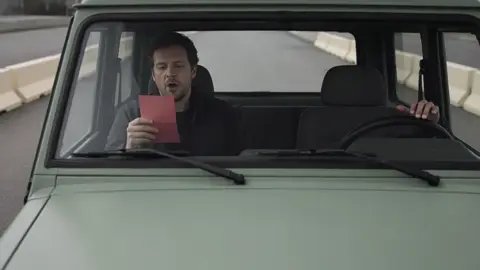
Hood MountThis hood-mount variant fixes the camera on the hood facing back through the windshield, retaining a rigid body-to-cabin relationship.
Hyperlapse
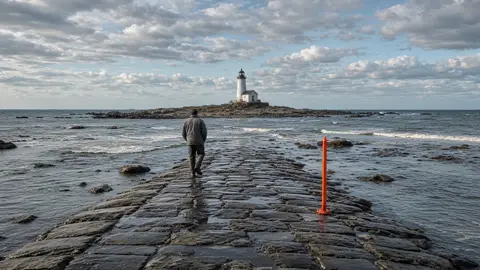
HyperlapseA hyperlapse compresses time while the camera advances through a substantial spatial path between exposures.
Jib
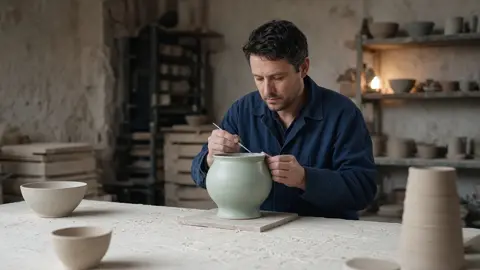
JibA jib uses a compact pivoting arm for a modest arc in camera position, with optional head compensation to retain composition.
Jib Down
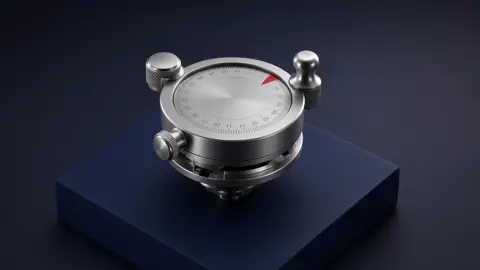
Jib DownJib down lowers the camera through a compact arm arc, with deliberate tilt compensation rather than a pure vertical column descent.
Jib Up
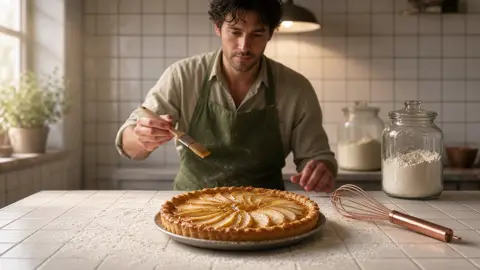
Jib UpJib up raises the camera through a short-arm arc, usually adding a small horizontal displacement as the head preserves the subject.
Lazy Susan
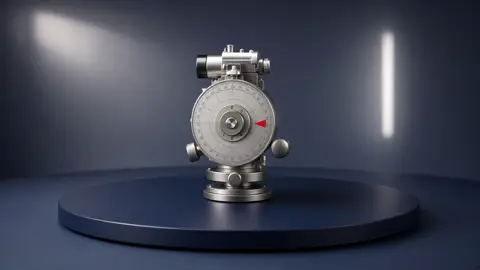
Lazy SusanA classic lazy-Susan shot rotates the subject on a turntable while the camera and room remain fixed.
Locked-On
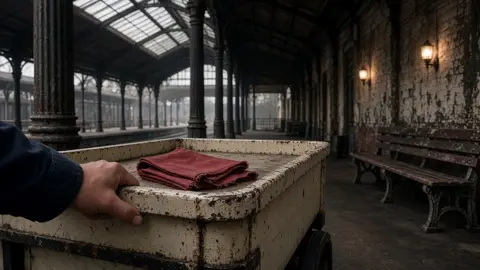
Locked-OnA locked-on view maintains nearly constant distance and orientation to one anchor object while its environment moves.
Mouth In
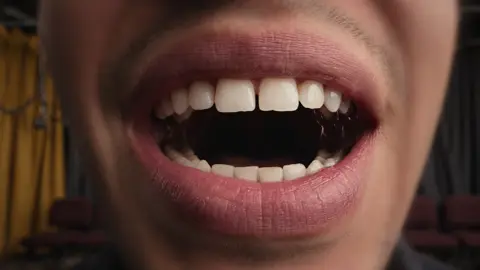
Mouth InA mouth-in camera advances beyond a portrait so lips and teeth become the surrounding space.
Omnidirectional
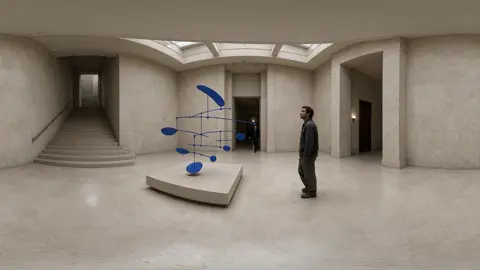
OmnidirectionalOmnidirectional capture records the full viewing sphere, allowing orientation to be chosen during viewing rather than during one directed camera orbit.
Pan
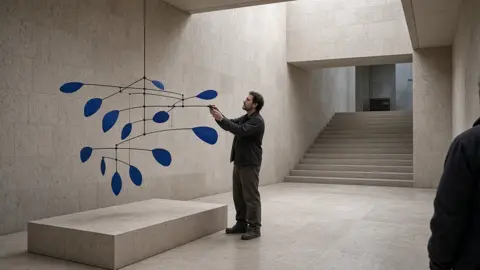
PanA pan turns the camera around its vertical axis from a fixed station, changing horizontal direction without sideways travel.
Pan Left

Pan LeftA left pan yaws the camera toward camera-left from a stationary support, holding pitch and roll constant.
Pan Right

Pan RightA right pan yaws the camera toward camera-right without translating the support or rolling the horizon.
Parallax
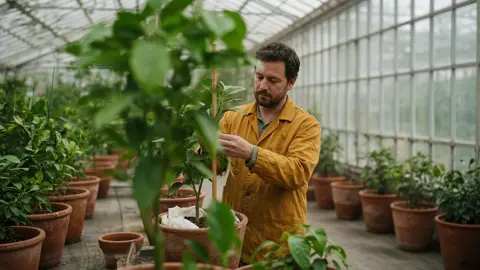
ParallaxParallax is the relative image displacement of different depths caused by camera translation.
Parallax Lateral Move
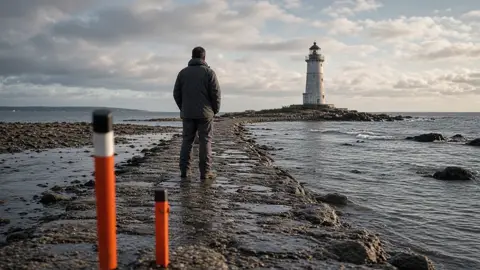
Parallax Lateral MoveLateral parallax demonstrates depth through differential sideways motion from a translating viewpoint.
Pass Through
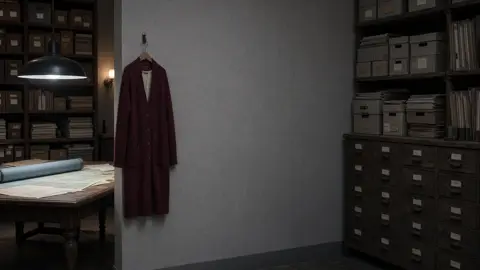
Pass ThroughA pass-through lets a virtual viewpoint traverse a solid barrier continuously while preserving its thickness and the next space.
Pedestal
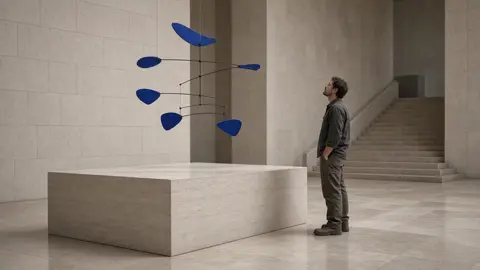
PedestalA pedestal translates the complete camera vertically while holding pitch fixed; it is neither a tilt nor a pivoting-arm arc.
Pedestal Down

Pedestal DownPedestal down lowers the complete camera vertically without pitching the lens downward.
Pedestal Up
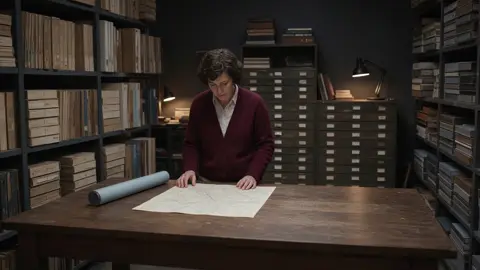
Pedestal UpPedestal up raises the entire camera on a vertical line with unchanged pitch, producing a higher viewpoint and vertical parallax.
Pull Back
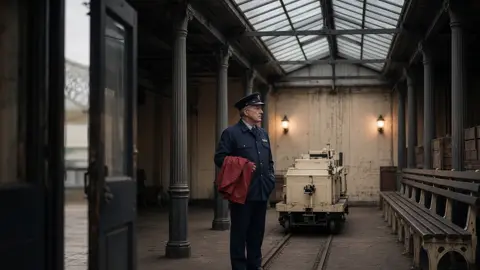
Pull BackA pull-back is the retreating-dolly family; this version reveals a nearer architectural threshold.
Pull Out
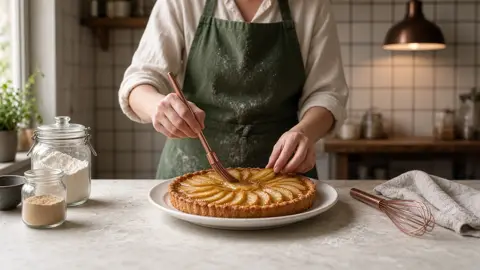
Pull OutA pull-out physically backs away so a detail gains spatial context without an optical zoom.
Push In
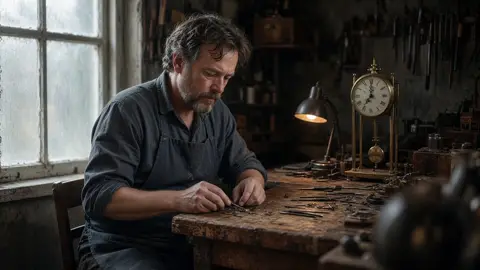
Push InA push-in is a physical approach toward the subject; this restrained variant covers a short distance.
Random Motion
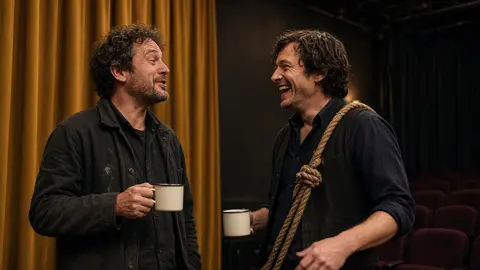
Random MotionThis local Random Motion recipe mixes small irregular pans and short pushes around laughing guests while keeping their shared action readable.
Rapid Zoom In

Rapid Zoom InThis Melies rapid-in variant snaps to a longer focal length in only a few frames, faster than the more readable crash-in example, then holds.
Rapid Zoom Out
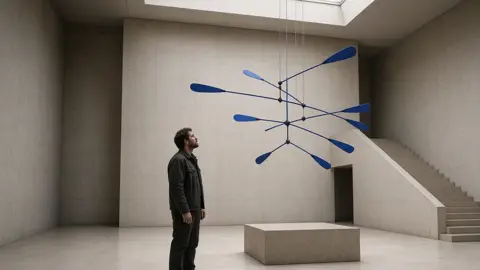
Rapid Zoom OutThis rapid-out variant snaps to a shorter focal length over a few frames, making context appear almost instantaneously before a stable hold.
Reveal Pan
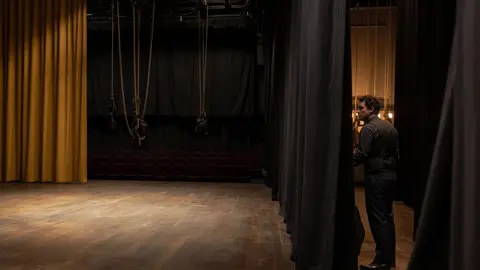
Reveal PanA reveal pan rotates from an initially limited view toward previously offscreen information, making discovery the purpose of the horizontal turn.
Road Rush
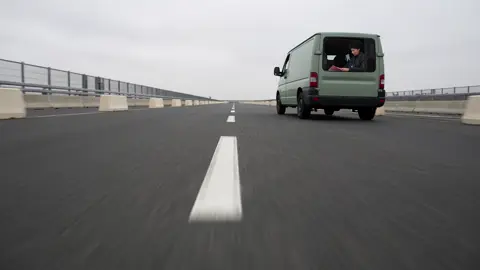
Road RushRoad-rush emphasizes fast ground-skimming translation and asphalt motion rather than a portrait of a vehicle.
Robo Arm
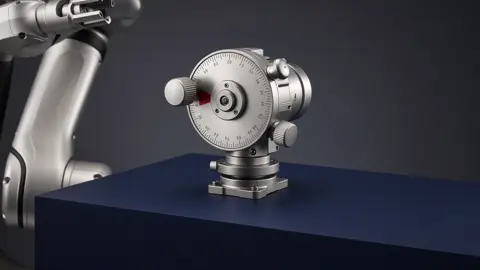
Robo ArmA robotic-arm reference follows a programmed position-and-orientation path designed to be repeatable across takes.
Slider
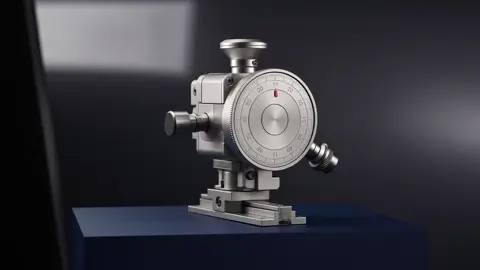
SliderA slider supplies a short, controlled linear translation with real near-field parallax.
Slider Reveal

Slider RevealA slider reveal uses a short lateral path to uncover a subject behind a foreground obstruction.
Slow Zoom In

Slow Zoom InA slow zoom in gradually increases focal length from a fixed station, steadily narrowing the field without approaching the subject.
Slow Zoom Out
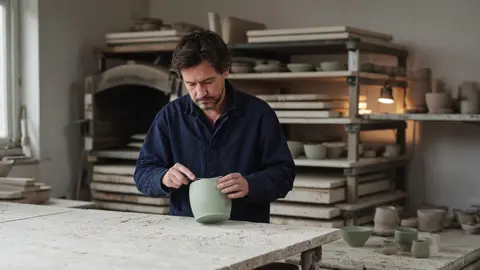
Slow Zoom OutA slow zoom out gradually reduces focal length while the camera remains still, admitting more surroundings at unchanged viewpoint.
Snorkel
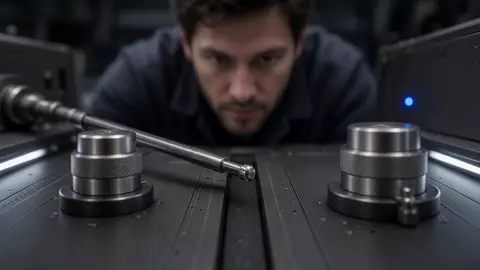
SnorkelThis snorkel/probe move skims a surface from an extremely low optical tip and threads open gaps, with a slight controlled weave toward a person.
SnorriCam
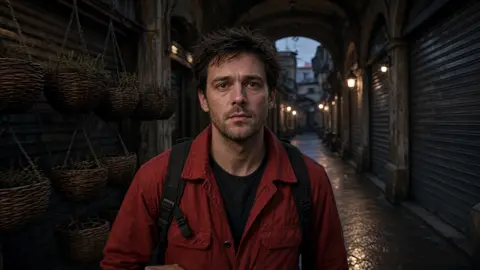
SnorriCamA SnorriCam points back at its wearer from a body-mounted support, preserving torso framing as the world moves behind.
Static Locked-Off
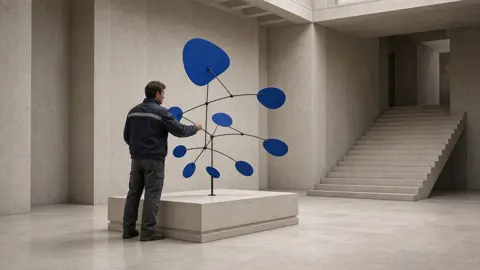
Static Locked-OffA locked-off shot fixes position, orientation and focal length while action unfolds inside the composition.
Steadicam
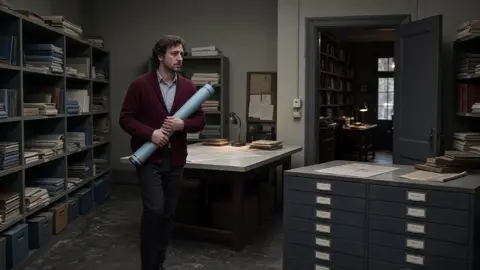
SteadicamA balanced mechanical vest-arm-sled isolates much of an operator's gait while traveling through connected spaces.
Steadicam Stair Follow
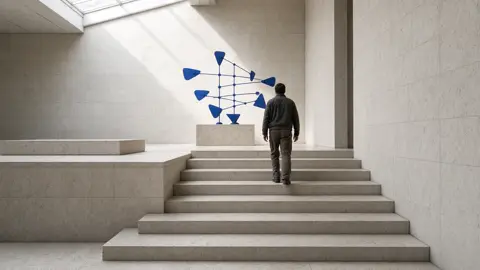
Steadicam Stair FollowA stair-follow variant carries a stabilized camera along the vertical progression of a staircase.
Subjective Walk Cam
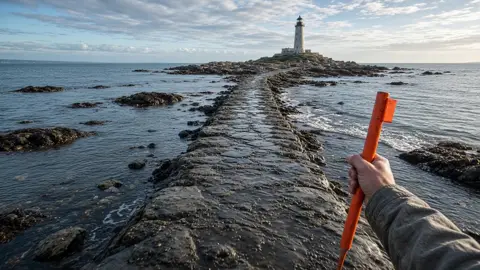
Subjective Walk CamA subjective walk uses the walker's embodied viewpoint with modest gait movement and reachable hand actions.
Super Dolly In
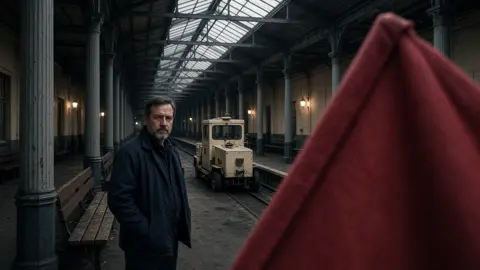
Super Dolly InA super dolly in makes an unusually long, rapid physical approach with pronounced near-field parallax.
Super Dolly Out
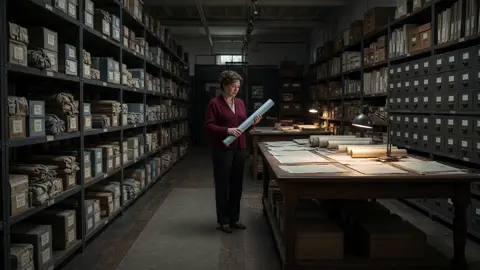
Super Dolly OutA super dolly out rapidly retreats a long distance, transferring visual importance from the subject to its surroundings.
Through Object In

Through Object InThrough-object-in enters a named prop or opening and emerges on a subject, often requiring a virtual scale or clearance solution.
Through Object Out
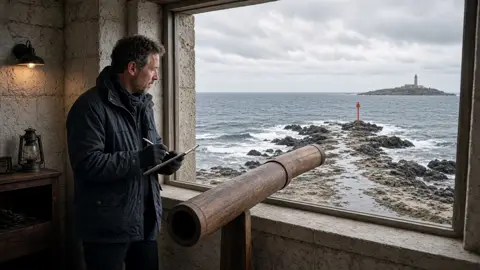
Through Object OutThrough-object-out leaves a subject by traveling through a named object into a broader environment.
Tilt
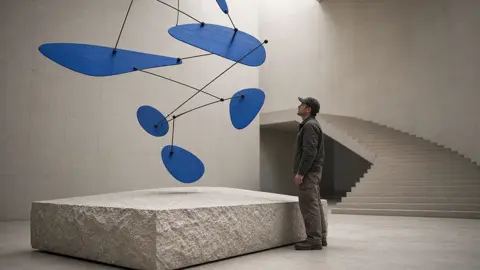
TiltA tilt pitches the camera around a horizontal axis from one fixed station, changing vertical direction without changing support height.
Tilt Down

Tilt DownA tilt down rotates the lens direction downward while the camera support remains at the same position and height.
Tilt Up
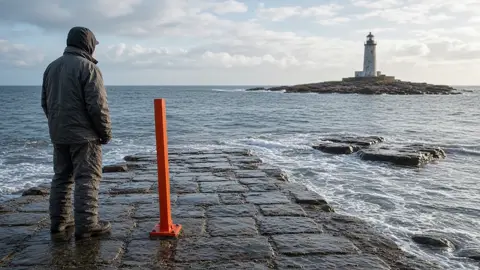
Tilt UpA tilt up rotates the camera's viewing direction upward around a fixed horizontal pivot; the camera does not rise.
Tracking Shot
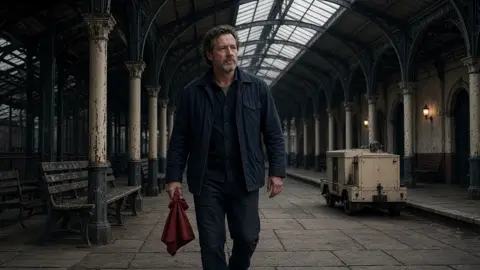
Tracking ShotThis tracking-shot variant leads a walking person from the front through a continuous space.
Tracking Shot
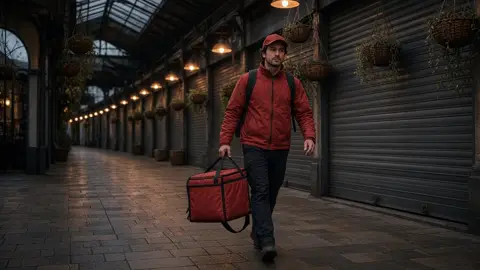
Tracking ShotA tracking shot travels through space with a moving subject along a defined route.
Truck
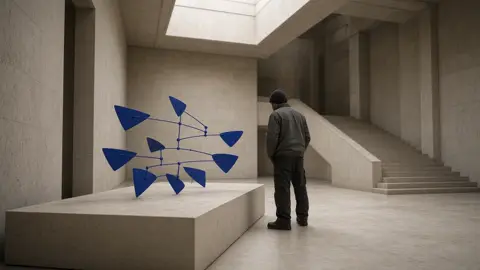
TruckA truck translates the camera laterally relative to its viewing direction, making near and far layers move differently.
Truck Left

Truck LeftTruck left is a lateral translation toward camera-left with a fixed viewing direction.
Truck Right
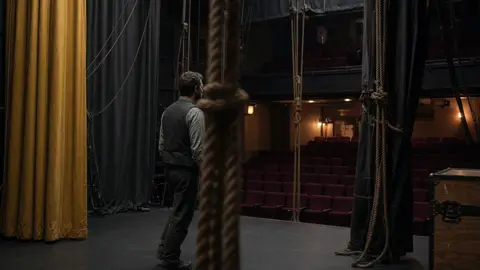
Truck RightTruck right moves the whole camera to its right without requiring pan, zoom or subject movement.
Trucking
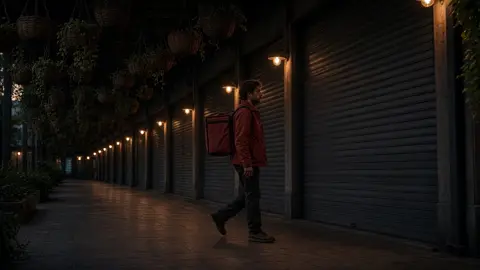
TruckingThis trucking variant moves parallel to a walking subject, matching their speed while maintaining a side view.
Vertigo Effect
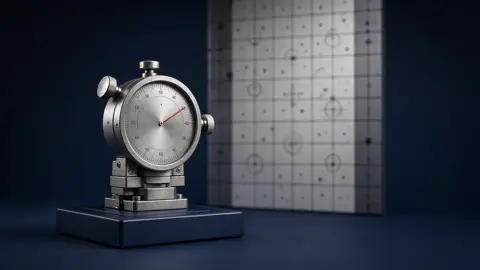
Vertigo EffectThe Vertigo effect is a dolly-zoom alias: opposing translation and focal-length changes destabilize the background while an anchor retains image size.
Walk and Talk
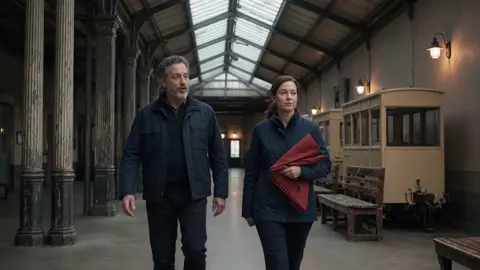
Walk and TalkA walk-and-talk tracks speaking characters through a location while retaining readable dialogue relationships.
Wandering
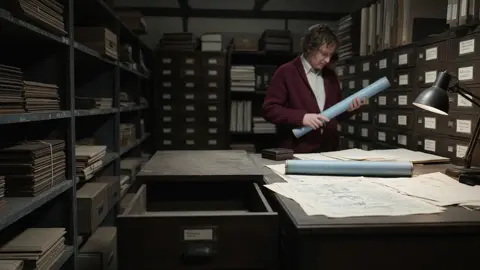
WanderingA wandering camera explores without an initially dominant target, then discovers a point of interest.
Whip Pan
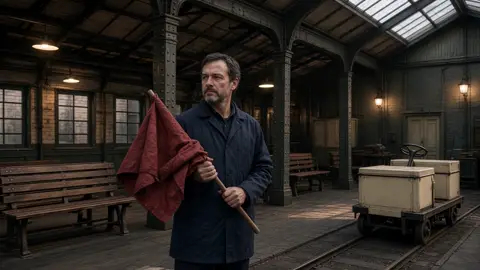
Whip PanA whip pan makes a rapid horizontal rotation that creates lateral motion blur, then stops on a newly readable composition.
Whip Tilt
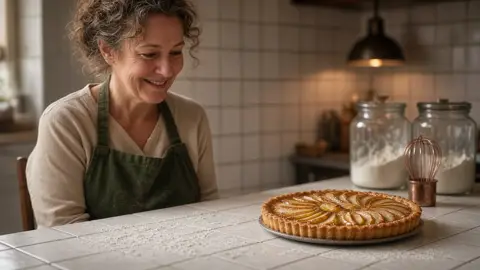
Whip TiltA whip tilt is a fast vertical pitch producing mostly vertical motion blur before an abrupt, stable landing.
Wiggle
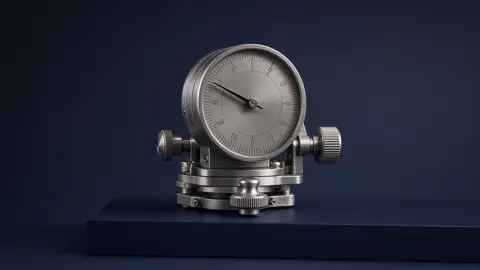
WiggleA wiggle alternates between nearby viewpoints over centimetres, creating a small recurring stereo-like parallax.
YoYo Zoom
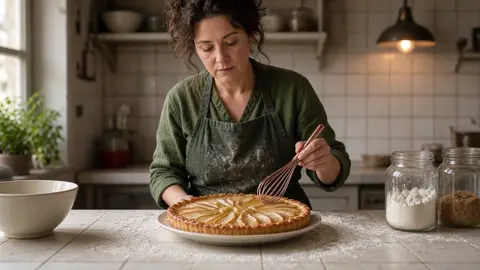
YoYo ZoomA yoyo zoom reverses focal-length direction quickly while the camera remains at one station.
Zoom

ZoomA zoom changes focal length from a fixed camera station, altering field of view and image scale without dolly-style parallax.
Zoom Burst
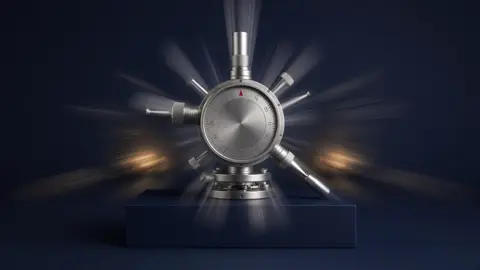
Zoom BurstA zoom burst changes focal length during a single long exposure, recording radial traces from features away from the image center.