Editing
Cuts, matches, montages, and transitions that shape rhythm and meaning.
24 techniques
Axial Cut
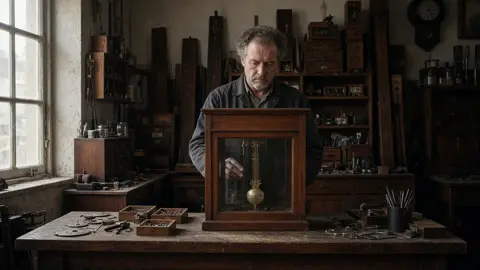
Axial CutAn axial cut abruptly changes camera distance or image size along the same viewing axis without depicting the travel.
Crash Cut
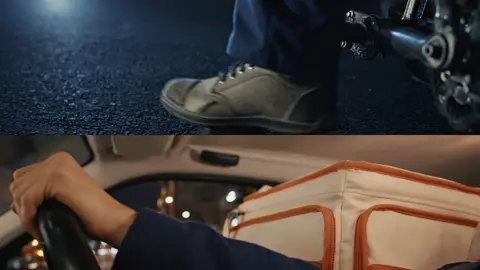
Crash CutA crash cut collides sharply different images and commits to the incoming event without a blend.
Cross-Cutting
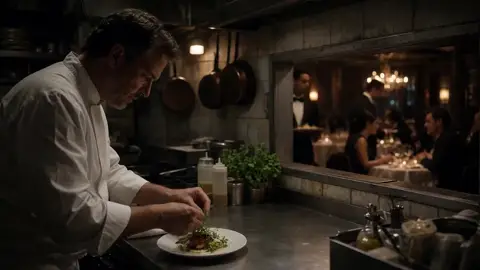
Cross-CuttingCross-cutting alternates continuing action lines to invite a relationship in time while preserving each location's geography.
Cross-Cutting
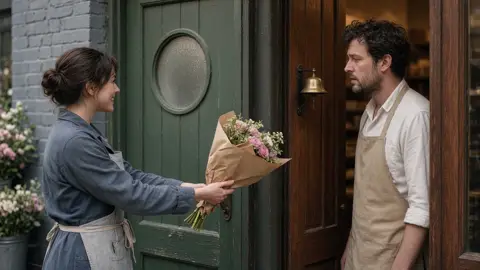
Cross-CuttingAlternating locations can suggest a meeting while withholding the geographic fact that would confirm it.
Dissolve
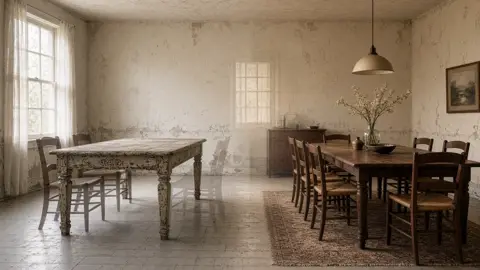
DissolveA dissolve trades the opacity of two shots across a measured overlap, rather than geometrically changing one into the other.
Fade In / Fade Out
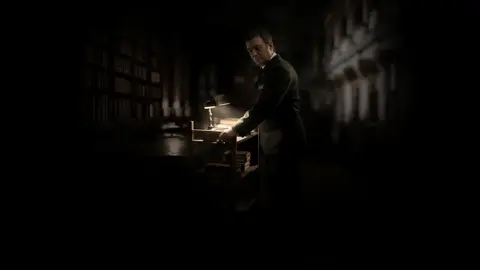
Fade In / Fade OutA fade takes a picture to or from a uniform field, allowing an interval of visual absence between scenes.
Flash Cut

Flash CutA flash cut inserts a different image for only a few frames before returning to the ongoing scene.
Fragments

FragmentsPartial views and causal sound make the audience infer an event never shown completely in a single shot.
Graphic Match
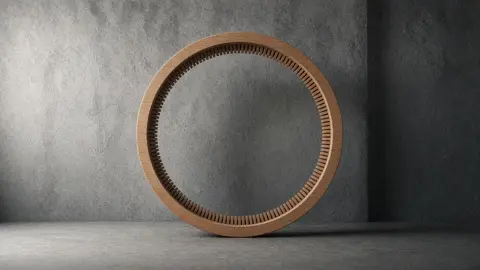
Graphic MatchTwo shots share a dominant contour and screen placement across a hard cut, independent of continuous action.
Invisible Cut

Invisible CutA splice is concealed in a designed occlusion while movement and spatial continuity make the result appear uninterrupted.
Iris
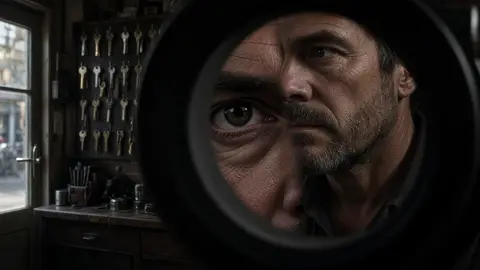
IrisAn animated aperture-shaped matte points to a detail, closes the first view and opens a second without changing lens focal length.
J-Cut / L-Cut (Visual Setup)
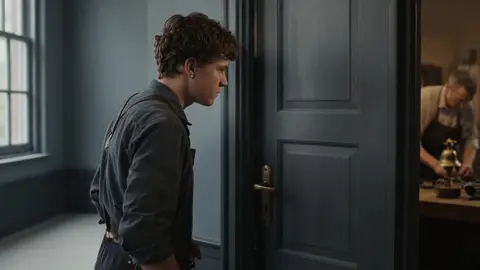
J-Cut / L-Cut (Visual Setup)A visual setup for split editing supplies a held listener and a source shot with enough handles for sound to arrive before picture.
Jump Cut
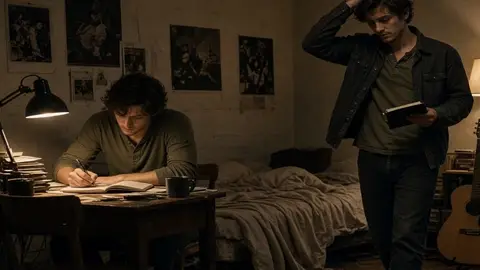
Jump CutRemoving intervals inside a similar camera setup creates a conspicuous time jump rather than a continuous speed change.
L-Cut / J-Cut
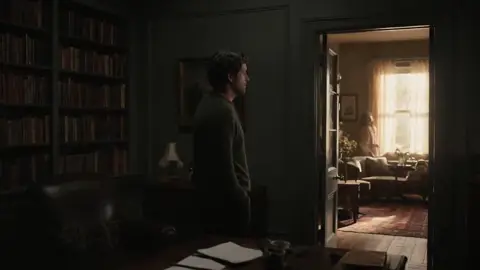
L-Cut / J-CutSplit edits offset sound and picture cuts: incoming sound precedes a J-cut, while outgoing sound continues after an L-cut.
Match Cut
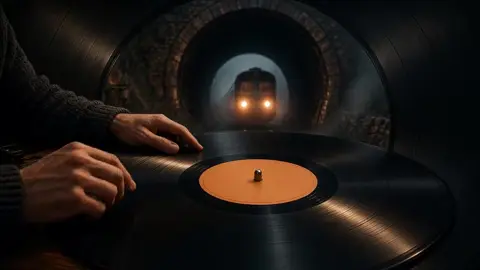
Match CutA match cut connects distinct shots through a visible correspondence that also carries an intelligible relationship.
Match Motion
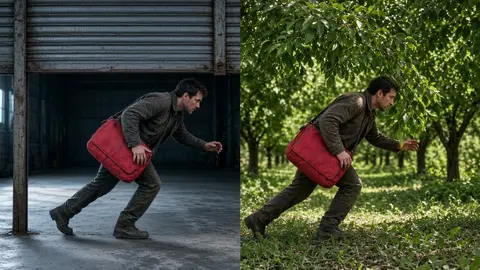
Match MotionThe screen vector and phase of movement continue across a cut into a different space or time.
Match on Action
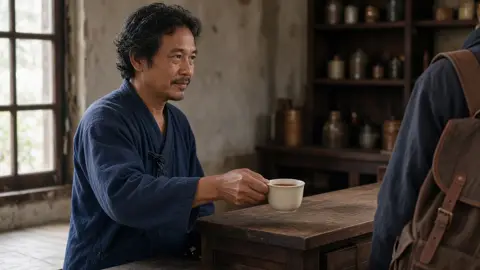
Match on ActionTwo camera angles divide one continuous gesture, preserving its phase, hand, object and direction.
Match Split
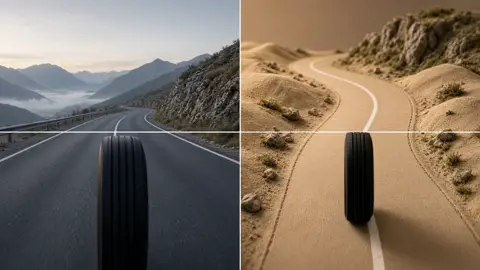
Match SplitTwo simultaneously visible panes align a line or movement across their common boundary.
Montage

MontageAn ordered sequence compresses a longer process or creates meaning through the relationship of complete shots.
Quick Cuts

Quick CutsA planned succession of short, distinct views makes cut duration itself a rhythmic device.
Set Transition
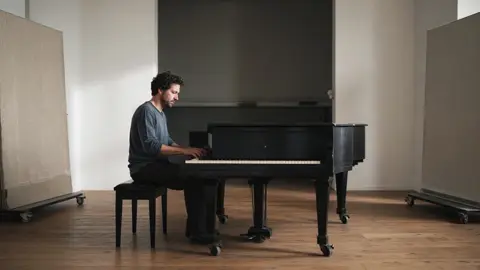
Set TransitionA location changes around a stable performer along a continuous viewing path, with the scenery itself supplying the transition.
Smash Cut

Smash CutA smash cut abruptly contradicts an established calm or tone with a markedly different incoming image and sound.
Transitions
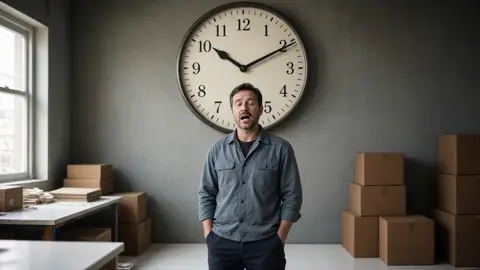
TransitionsA deliberately visible transition treats the join as a designed gesture whose chosen mechanism must be specified.
Wipe

WipeA moving graphic boundary replaces one shot with another while portions of both are simultaneously visible.