Lenses
Focal length, distortion, and glass character that rewrite perspective.
20 techniques
135mm Telephoto
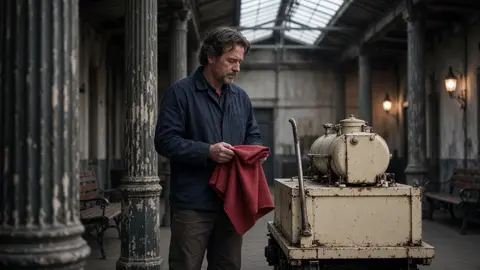
135mm TelephotoA 135 mm full-frame lens isolates a narrow part of a scene from farther away, leaving foreground overlaps as visible distance cues.
14mm Ultra-Wide

14mm Ultra-WideA 14 mm rectilinear lens on full frame gives a very broad field while keeping straight scene lines straight, apart from ordinary lens distortion.
200mm Long Telephoto
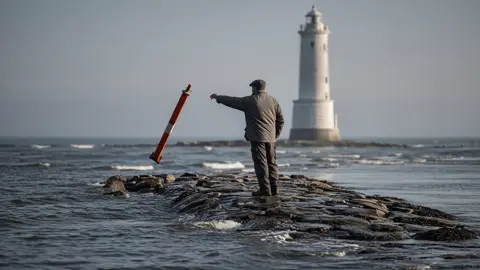
200mm Long TelephotoA 200 mm full-frame lens selects a tight distant field; its subject-background relationship comes from the distant camera station.
24mm Wide
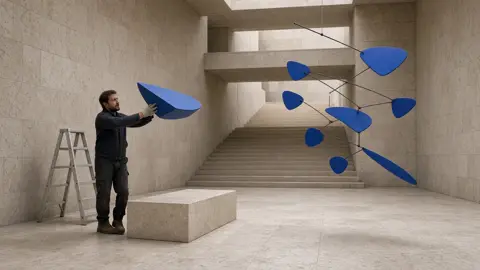
24mm WideA 24 mm full-frame rectilinear view includes a subject and a substantial portion of its environment.
35mm Moderate Wide

35mm Moderate WideA 35 mm lens on full frame gives a moderately wide view suited to showing an action with its immediate surroundings.
50mm Normal

50mm NormalA 50 mm full-frame lens offers a moderate angle of view without the broad coverage of a wide lens or the narrow crop of a long telephoto.
85mm Portrait

85mm PortraitAn 85 mm full-frame lens gives a narrow portrait field from a comfortable working distance; the chosen distance governs facial perspective.
Anamorphic

AnamorphicAn anamorphic system records unequal horizontal and vertical magnification and requires the matching desqueeze for correct display geometry.
Fisheye
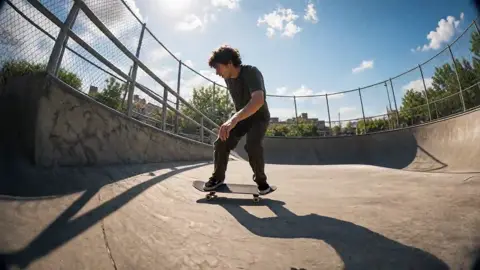
FisheyeA fisheye uses a curvilinear mapping that bends off-center straight lines systematically around the image center.
Macro
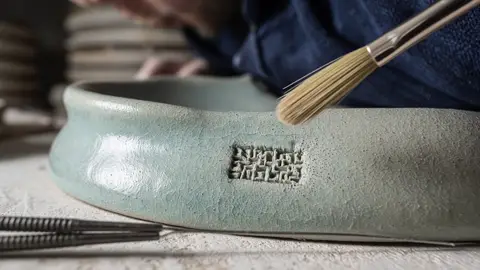
MacroMacro capture renders a small subject at a high reproduction ratio, making surface detail the main image.
Macro Lens
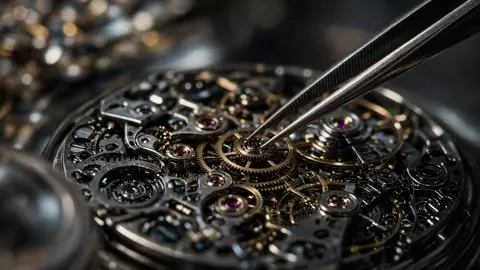
Macro LensA macro-lens setup can render small mechanisms at close range; this variant deliberately uses 1:2 rather than maximum magnification.
Magnification
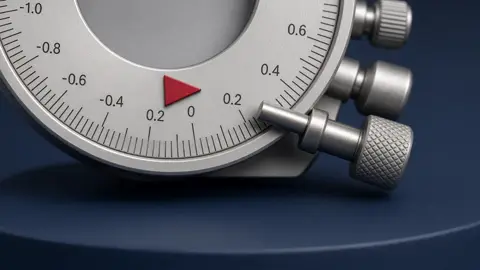
MagnificationMagnification is image size at the sensor divided by real subject size; 2:1 means twice life size on that sensor.
Normal Lens

Normal LensA normal-lens view uses a focal length near the image-format diagonal, avoiding an extremely wide or tight field.
Probe Lens

Probe LensA probe places a small close-focusing front optic at the end of a long narrow barrel, allowing a viewpoint inside confined spaces.
Spherical
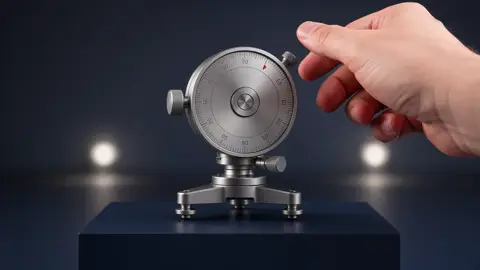
SphericalA non-anamorphic optical system uses the same image scale horizontally and vertically and needs no desqueeze.
Telephoto Compression
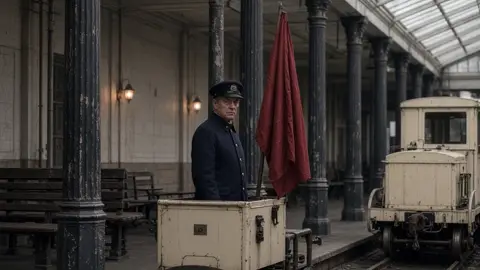
Telephoto CompressionApparent depth compression comes from a distant viewpoint reducing relative size differences between separated planes; long focal length restores a tight framing.
Telephoto Lens

Telephoto LensA telephoto field isolates a small distant region; it need not imply a change of perspective during the shot.
Tilt-Shift
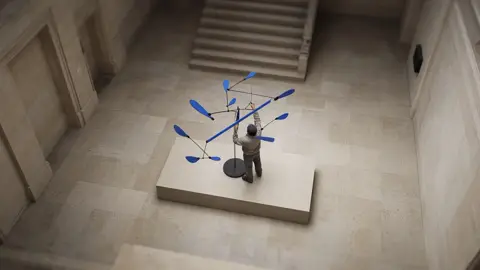
Tilt-ShiftLens tilt rotates the plane of focus relative to the sensor; lens shift separately offsets framing without requiring camera tilt.
Vintage Cine Glass
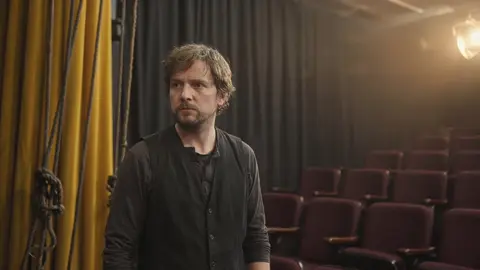
Vintage Cine GlassVintage-style cine optics can show lens-specific lower contrast, off-axis softness and flare; these traits are not identical across old lenses.
Wide-Angle Lens
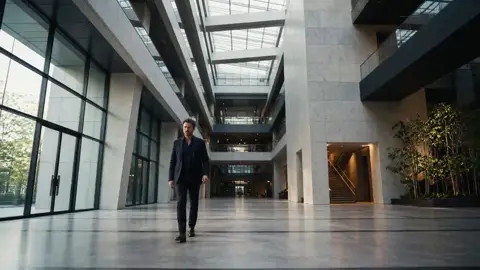
Wide-Angle LensA wide-angle lens covers a broad field for its format, letting near objects and their wider surroundings share the composition.