Lighting
Key, fill, backlight, and motivated sources that sculpt mood and depth.
44 techniques
Available Light
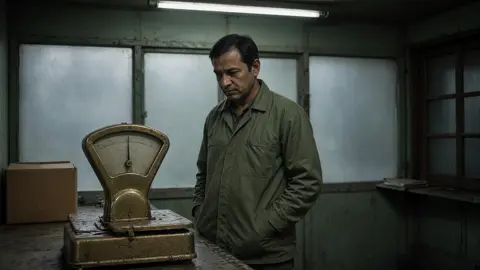
Available LightUses only illumination already present at the location; subject placement and exposure adapt to those sources.
Backlight
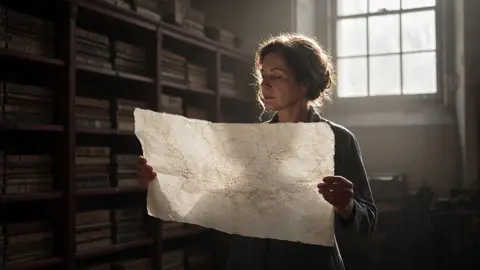
BacklightA source behind the subject lights rear-facing surfaces and can separate hair, shoulders and translucent material from the background.
Backlighting
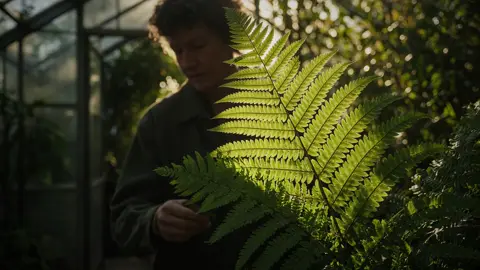
BacklightingRear-dominant illumination emphasizes transmission and outlines while allowing the front of a subject to remain darker.
Blue Hour
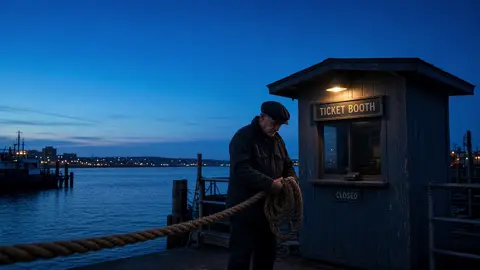
Blue HourTwilight skylight after sunset or before sunrise supplies cool ambient illumination while the sky remains visibly luminous.
Bounce Light
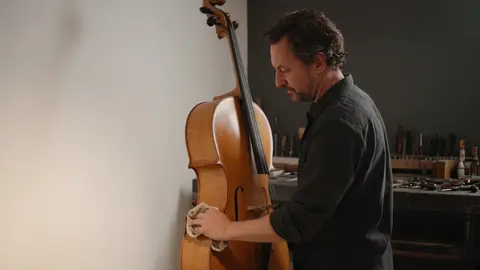
Bounce LightLight reaches the subject after reflecting from a surface; that surface determines apparent source size and direction.
Broad Lighting

Broad LightingOn a turned face, the cheek occupying more of the camera view receives the key light.
Butterfly Lighting
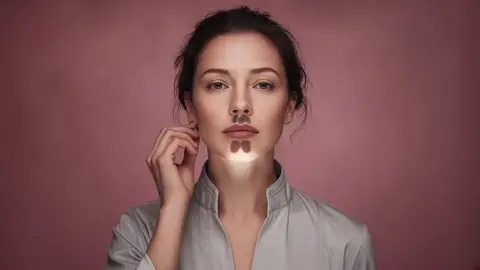
Butterfly LightingA centered elevated key creates a small, approximately symmetrical shadow directly below the nose.
Cameo Lighting

Cameo LightingA tightly controlled light pool exposes the person while the surrounding set is allowed to disappear into darkness.
Candlelight
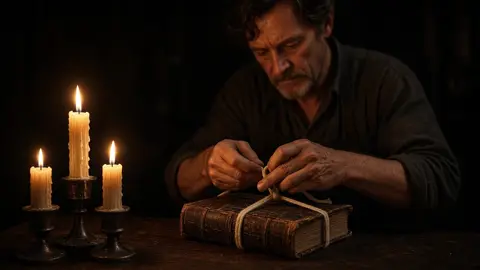
CandlelightNearby flames motivate warm, local illumination with rapid distance falloff and small irregular brightness variations.
Chiaroscuro

ChiaroscuroDeliberately placed bright and dark masses sculpt the subject through directional light and restricted fill.
Cross Lighting
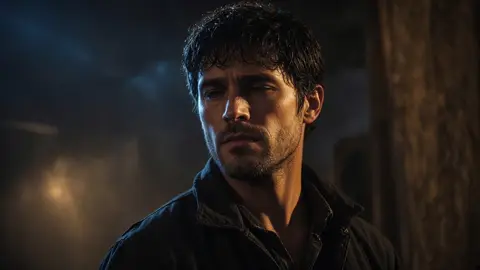
Cross LightingOpposing side sources illuminate subjects across one another, creating intersecting lighting directions rather than one key plus frontal fill.
Dappled Light

Dappled LightA source partially blocked by irregular moving objects produces broken patches of illumination on surfaces.
Epiphany
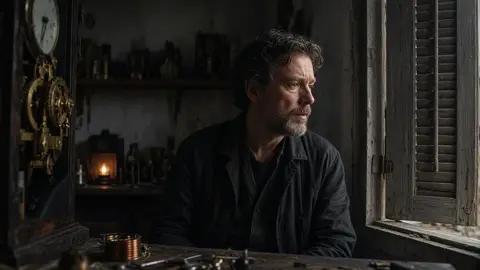
EpiphanyIllumination changes in synchrony with a character's realization, making the newly lit face the decisive visual event.
Eye Light

Eye LightA weak near-axis source produces small reflected catchlights without substantially replacing the face's key and shadows.
Fill Light

Fill LightSecondary illumination raises shadow visibility while preserving the dominant direction established by the key.
Glam
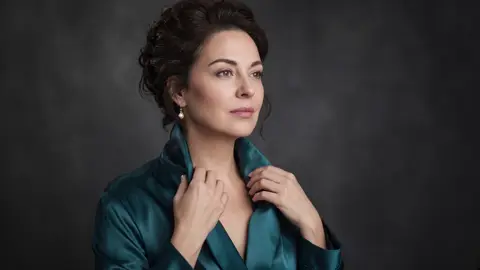
GlamA beauty-oriented combination of large near-frontal light, controlled fill and flattering highlight treatment prioritizes the face.
Gobo Lighting

Gobo LightingA shaped obstruction in a light path projects a deliberate shadow pattern onto the scene.
Golden Hour

Golden HourLow direct sunlight near sunrise or sunset produces long shadows and warm directional illumination.
Hair Light
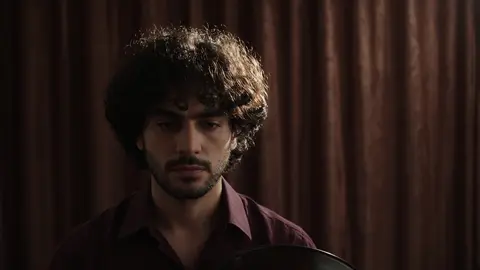
Hair LightA separately controlled rear-high source selectively reveals hair texture without broadly relighting the face.
Hard Light

Hard LightA source small in apparent angular size creates narrow shadow transitions and distinct surface relief.
High Key
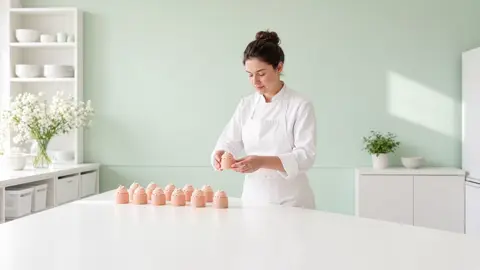
High KeyBroad illumination and substantial fill keep most tones bright and shadow contrast low without requiring clipped whites.
Key Light

Key LightThe principal modeling source establishes the dominant illumination direction; other lights support rather than compete with it.
Kicker
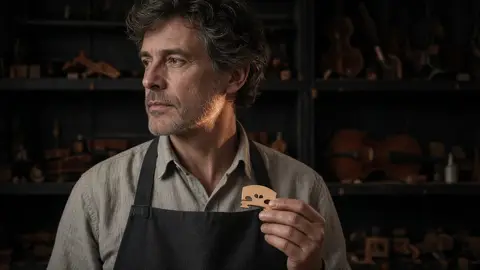
KickerA controlled rear-side accent illuminates a narrow far cheek or jaw plane rather than the complete silhouette.
Loop Lighting
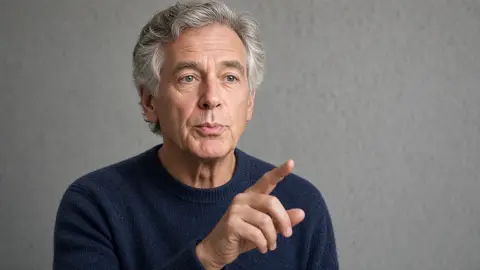
Loop LightingA slightly elevated off-axis key produces a short nose shadow that does not join the cheek shadow.
Low Key
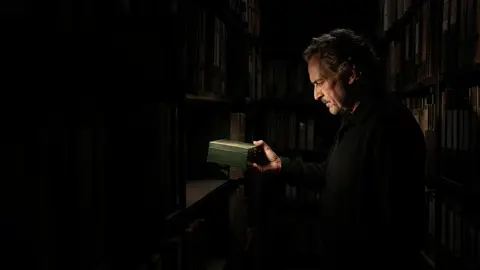
Low KeySelective illumination keeps a large portion of the frame dark while specific subjects retain usable exposure.
Motivated Lighting
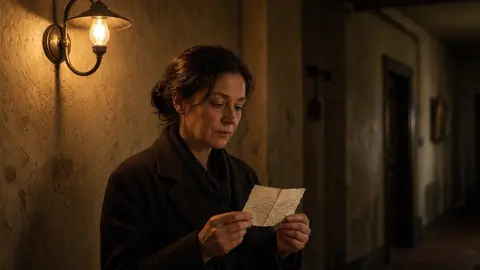
Motivated LightingAdded illumination imitates a believable visible or established source in direction, color and shadow behavior.
Natural Lighting
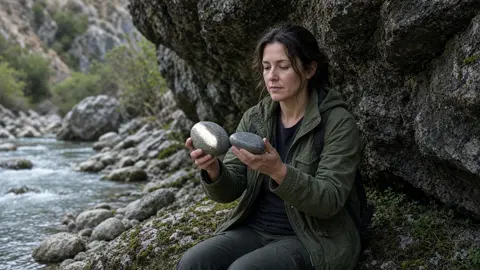
Natural LightingDaylight from sun and sky provides the scene's illumination; blocking is chosen to use its existing direction.
Naturalistic Ambient
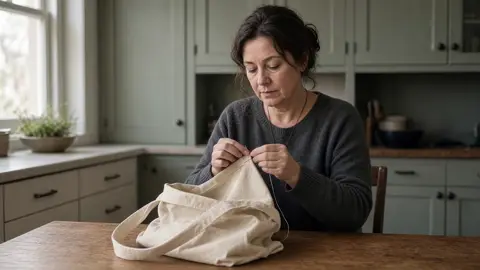
Naturalistic AmbientSoft room illumination is shaped to look ordinary and plausible, even when hidden sources reinforce it.
Neon Practicals
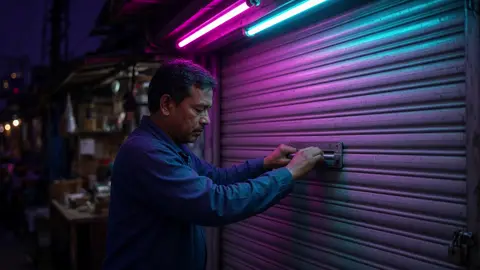
Neon PracticalsVisible colored luminous fixtures contribute corresponding colored light to nearby subjects, not merely to the background.
Practical Lighting
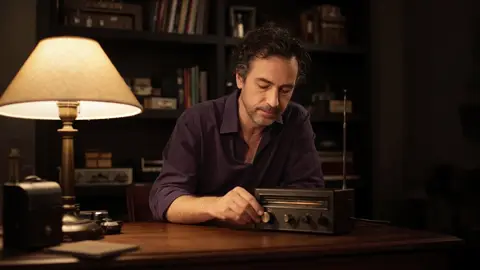
Practical LightingWorking fixtures visible in the composition supply or visibly motivate the scene's illumination.
Rembrandt Lighting

Rembrandt LightingAn elevated side key joins nose and cheek shadows, leaving a small lit triangle below the shadow-side eye.
Rim Light
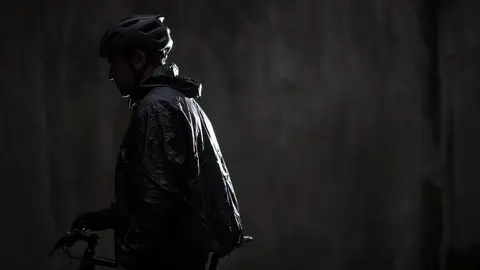
Rim LightRear-side illumination grazes a subject's boundary to create a narrow physical highlight against a darker ground.
Rim Lighting
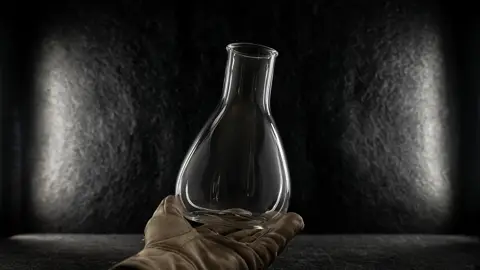
Rim LightingA grazing rear source separates object boundaries through narrow specular and diffuse edge highlights.
Short Lighting
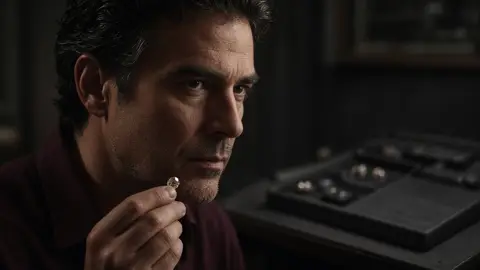
Short LightingThe narrower far cheek of a turned face is keyed while the larger camera-facing cheek remains in shadow.
Side Lighting

Side LightingA lateral source models relief across a subject; it need not divide a face into exact equal halves.
Silhouette
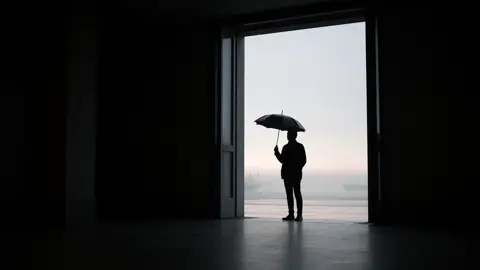
SilhouetteA subject is rendered largely without internal detail against a brighter background so its outline carries the action.
Soft Light

Soft LightA source large in apparent angular size gives gradual shadow transitions while retaining a directional key.
Split Lighting

Split LightingA lateral key creates a near-vertical boundary between illuminated and shadowed halves of a frontal face.
Spotlight
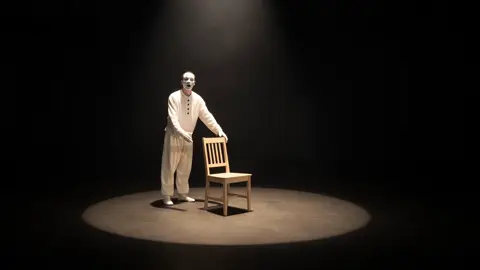
SpotlightA focused theatrical source creates a bounded pool whose visible edge organizes the performer's position.
Three-Point Lighting

Three-Point LightingSeparate key, fill and rear lights provide principal modeling, shadow control and background separation.
Top Light

Top LightAn overhead source emphasizes upward-facing planes and sends facial shadows downward.
Underlighting

UnderlightingA source below the face reverses familiar facial shadow direction, lighting lower planes and casting shadows upward.
Volumetric Light
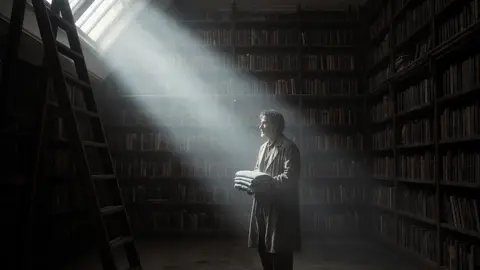
Volumetric LightLight scattered by suspended particles makes a source's path through three-dimensional air visible.
Window Light

Window LightIllumination entering through a window establishes a source shape and direction that remain consistent with the architecture.