Camera Angle
The vertical and lateral viewpoint that shapes power, vulnerability, and POV.
25 techniques
Bird's-Eye View

Bird's-Eye ViewA high, steeply downward viewpoint makes movement and layout readable as a spatial diagram.
Bird's Eye View
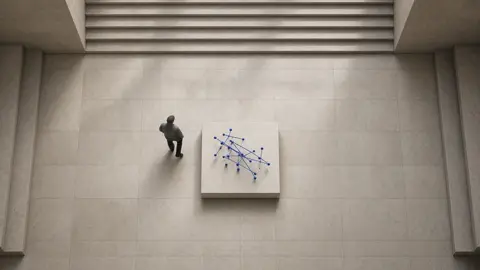
Bird's Eye ViewThis bird's-eye variant uses substantial height to reveal routes between small human figures and objects.
Canted Angle
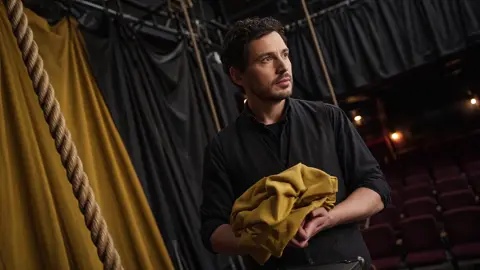
Canted AngleCanted framing is the Dutch-angle family: a static roll changes frame orientation without changing gravity in the set.
Dutch Angle
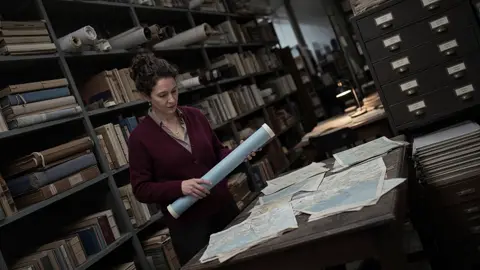
Dutch AngleThe camera is rolled about its optical axis and held, making the world appear diagonally oriented within the frame.
Eye Level

Eye LevelAn eye-level setup matches the subject's eyes with a horizontal optical axis and no roll.
First-Person

First-PersonFirst-person framing sustains a character-owned viewpoint, with bodily actions entering the image.
Fourth Wall

Fourth WallA fourth-wall address has a character intentionally acknowledge the viewing audience through the lens.
Ground Level

Ground LevelGround-level framing is defined by a viewpoint very close to the ground, independently of pitch.
High Angle
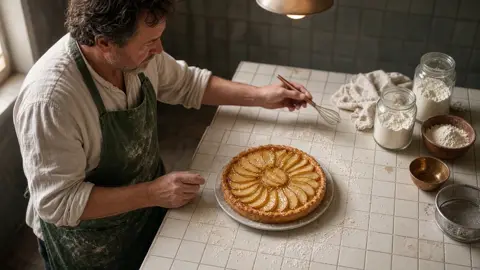
High AngleA high angle looks obliquely down at the subject from above their eye line.
Hip Level
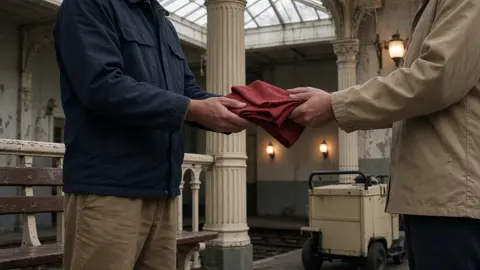
Hip LevelHip-level framing places the camera near the standing subject's belt height, making hand actions and gait prominent.
Incline

InclineA slight, fixed optical-axis roll introduces a small visual lean while the set remains physically upright.
Low Angle
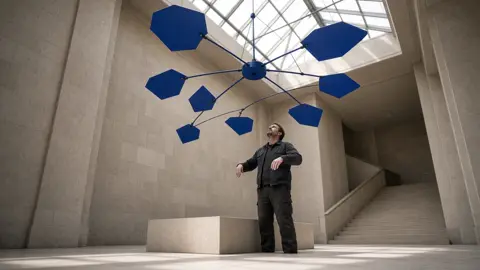
Low AngleA low-angle view looks upward from below the subject's eye level; the upward pitch is essential.
Object POV
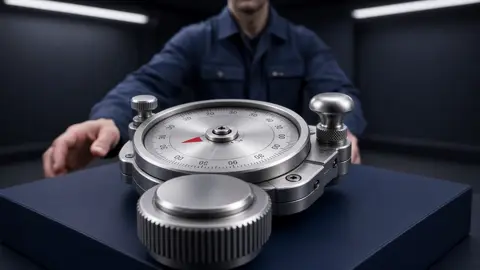
Object POVObject POV attaches the viewpoint to a prop so that its own edge stays fixed while the surroundings move.
Over the Shoulder

Over the ShoulderAn over-the-shoulder shot includes a near person's shoulder or head while looking toward their scene partner.
Overhead Top-Down
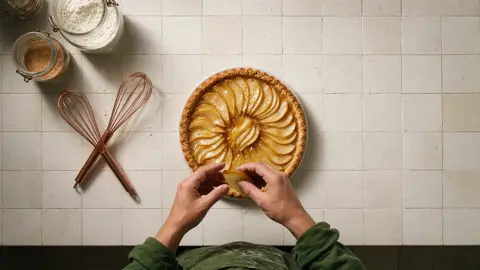
Overhead Top-DownAn overhead shot points down almost perpendicular to the action plane, presenting its layout rather than an oblique view.
Point of View (POV)

Point of View (POV)A POV shot places the camera at a named character's eyes along their line of sight.
Profile

ProfileA profile places the viewing direction perpendicular to the face's forward axis, revealing a true side silhouette.
Profile Angle
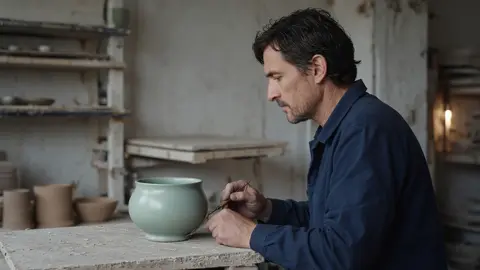
Profile AngleThis profile variant holds a strict side view while an action passes below the facial silhouette.
Reverse Angle
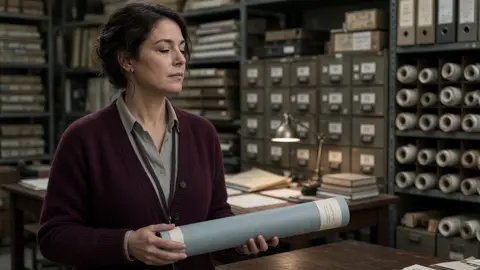
Reverse AngleReverse-angle coverage shows the opposite participant in an established relationship while preserving consistent screen geography.
Shoulder Level
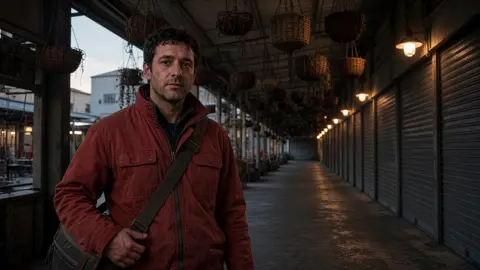
Shoulder LevelA shoulder-level camera places the viewpoint slightly below the subject's eyes; it does not require a foreground shoulder.
Three-Quarter Angle
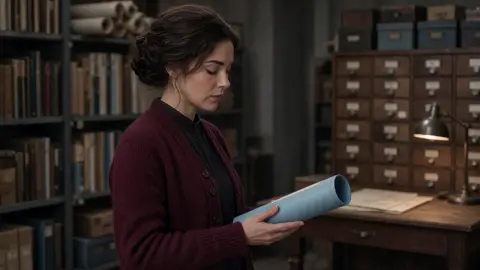
Three-Quarter AngleA three-quarter portrait views the face obliquely, keeping both eyes visible while the far cheek recedes.
Three-Quarter Front

Three-Quarter FrontA front three-quarter view offsets the camera from the subject's forward direction without becoming a side profile.
Trunk Shot
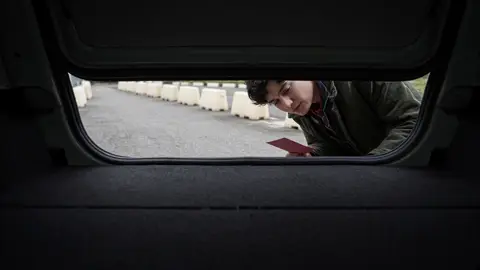
Trunk ShotA trunk shot looks outward and upward from a container, whose rim locates the viewer inside it.
Worm's-Eye View
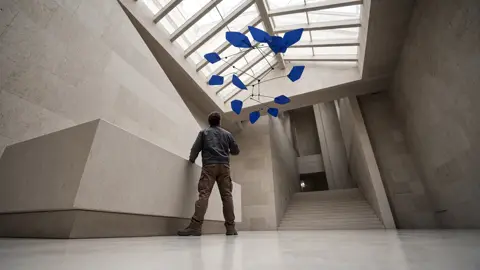
Worm's-Eye ViewA worm's-eye view combines very low height with a steep upward angle so vertical structures converge overhead.
Worm's Eye View
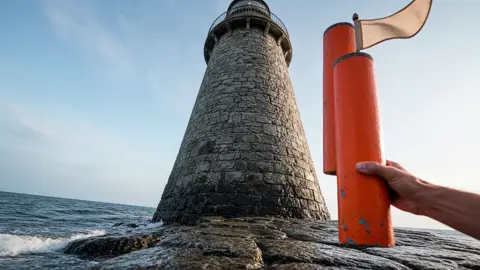
Worm's Eye ViewThis worm's-eye variant looks almost vertically up from ground level, emphasizing a towering exterior.