Framing
Shot size and subject framing — from extreme wide to extreme close-up.
33 techniques
Choker Shot
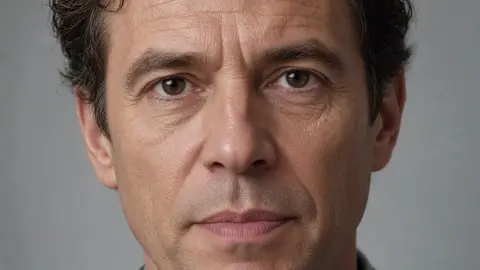
Choker ShotAn extremely tight whole-face view runs approximately from hairline to chin, excluding most neck and shoulders.
Clean Single
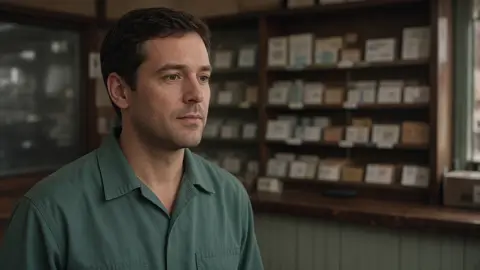
Clean SingleOne principal is isolated with no partner's shoulder or body intruding into the frame.
Close-Up
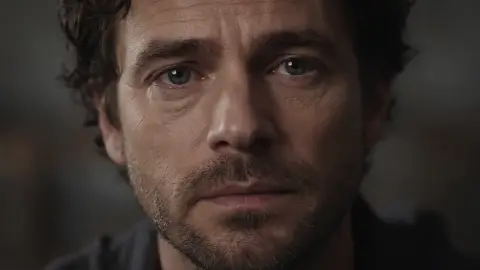
Close-UpA head-and-upper-shoulders view prioritizes facial expression while retaining a small amount of body context.
Cowboy Shot
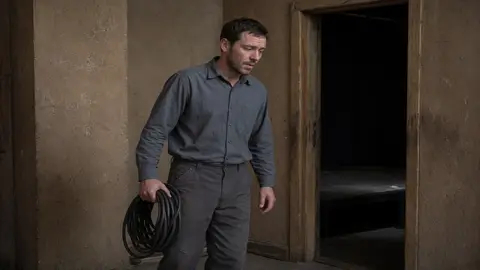
Cowboy ShotA standing figure is framed from roughly mid-thigh upward, retaining hanging hands and the hip area.
Cut-ins
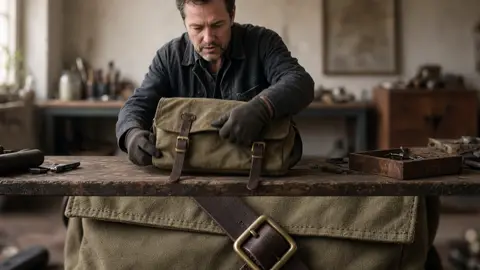
Cut-insAn edit moves from a wider view to a tighter detail already present in that same action and geography.
Cutaway
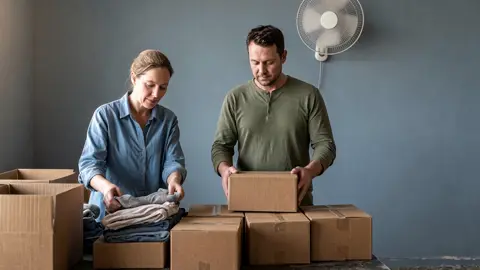
CutawayAn edit briefly leaves the main action for related secondary information, then can return with time continuity.
Cutaway Shot
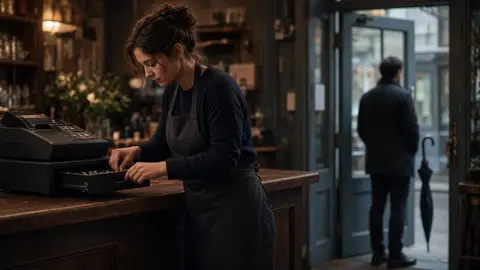
Cutaway ShotA contextual secondary shot interrupts the primary activity to add information outside its immediate action.
Dirty Over-the-Shoulder
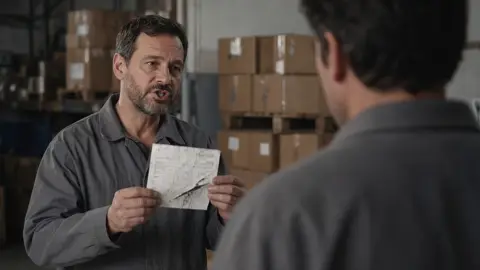
Dirty Over-the-ShoulderAn over-the-shoulder view retains a substantial near partner edge while prioritizing the farther person's face.
Establishing Shot
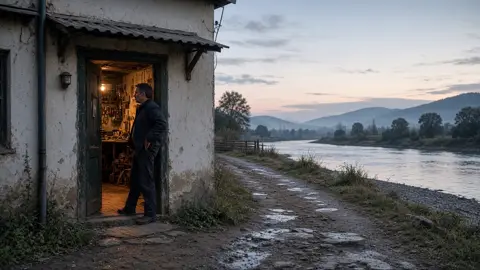
Establishing ShotA shot locates a scene in place and time and connects that information to the subsequent action.
Establishing Wide

Establishing WideA wide establishing view introduces the location's spatial map before closer action uses that map.
Extreme Close-Up
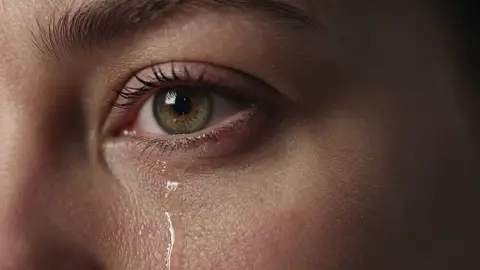
Extreme Close-UpA small facial or object fragment fills the frame, excluding the complete face or body.
Extreme Long Shot
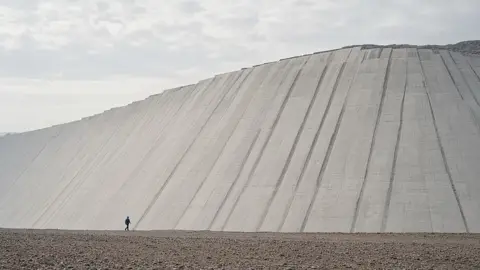
Extreme Long ShotThe environment dominates at a scale where a person becomes a small but detectable reference.
Extreme Wide Shot
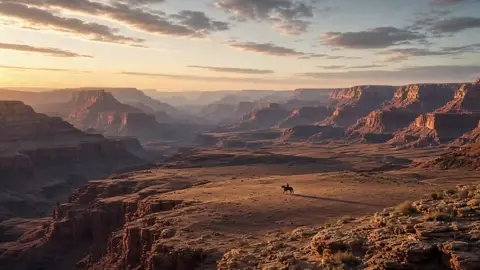
Extreme Wide ShotA very broad view makes terrain the primary subject with a tiny human or vehicle scale cue.
Full Body
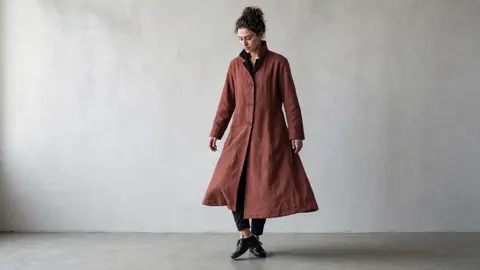
Full BodyThe whole person from head to shoes is visible and occupies most of the image height.
Full Shot
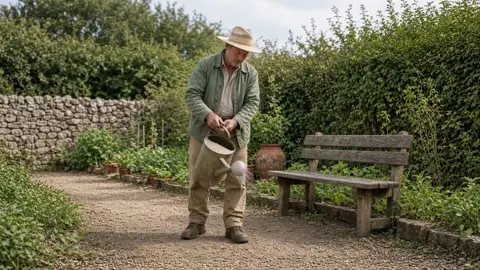
Full ShotA complete figure is framed with limited surrounding space so bodily action remains the primary information.
Gesture
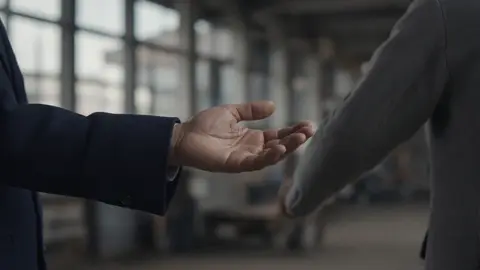
GestureShot size and duration are organized around one expressive body movement with a readable start, peak and release.
Group Shot
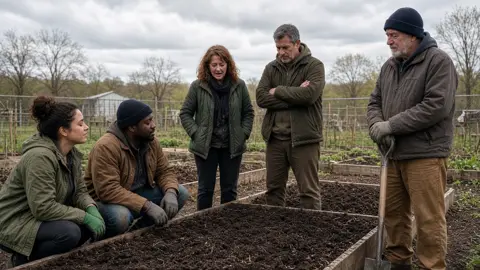
Group ShotSeveral principals share a frame as a readable social unit, with staging distinguishing their relationships.
Insert Detail

Insert DetailA tightly framed action detail gives information that the wider scene cannot make readable.
Insert Shot
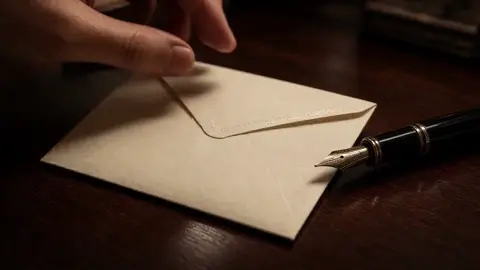
Insert ShotA brief close view isolates a scene-relevant object or hand action while preserving the parent scene's lighting and continuity.
Insert Shot
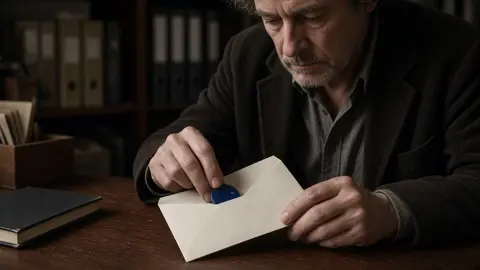
Insert ShotA close detail shot directs attention to an object fact that matters to the current scene.
Interview
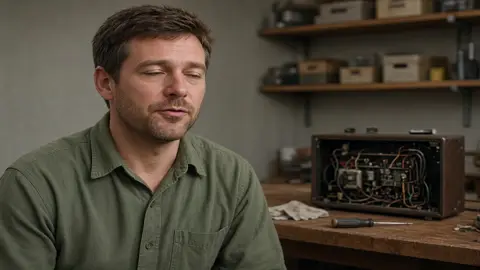
InterviewA stable portrait is oriented toward an implied interviewer beside the lens, with space supporting that off-axis eyeline.
Long Shot
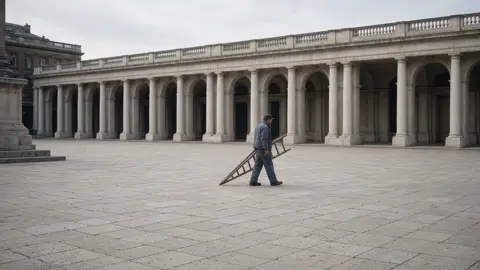
Long ShotA complete person remains readable but occupies a modest part of a larger environment.
Master Shot
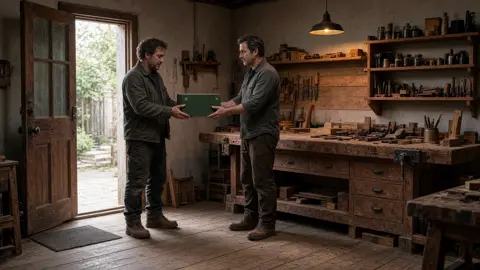
Master ShotOne coverage view contains the complete essential action and spatial relationships of a scene, not just its location.
Medium Close-Up
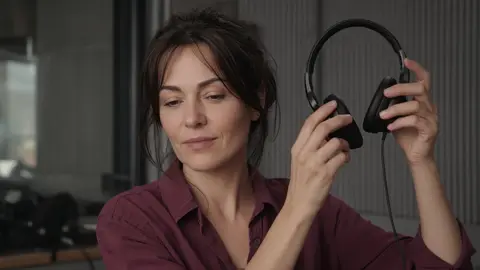
Medium Close-UpA chest-up portrait balances facial expression with limited shoulder and raised-hand gestures.
Medium Shot
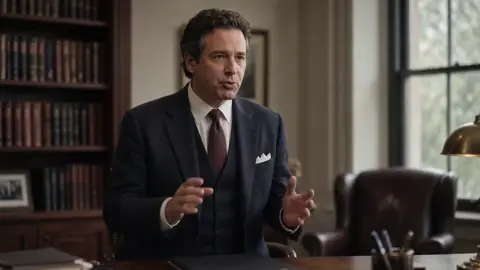
Medium ShotA roughly waist-up view preserves face and ordinary hand gestures while limiting environmental scale.
Over-the-Shoulder Coverage
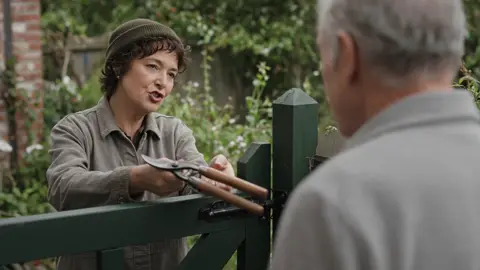
Over-the-Shoulder CoverageDialogue coverage looks past one participant's shoulder toward the other, maintaining their eyeline and interaction axis.
Product
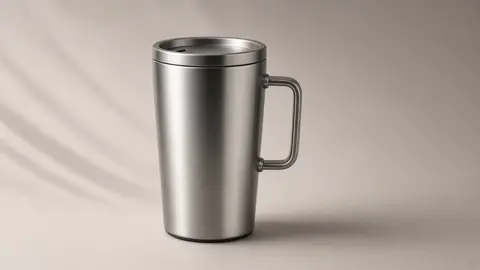
ProductAn object is framed as the principal subject with controlled form, material detail and reflections, rather than as a narrative insert.
Reaction Shot
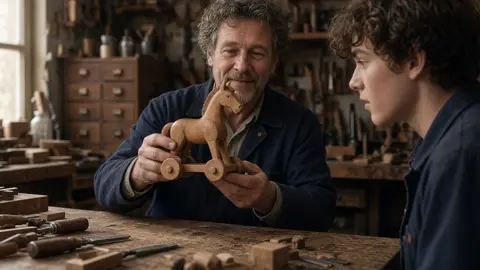
Reaction ShotA shot prioritizes a person's response to a specific stimulus whose relationship is established in the scene.
Single

SingleOne principal occupies the shot; the term describes subject occupancy rather than uninterrupted duration.
Three-Shot
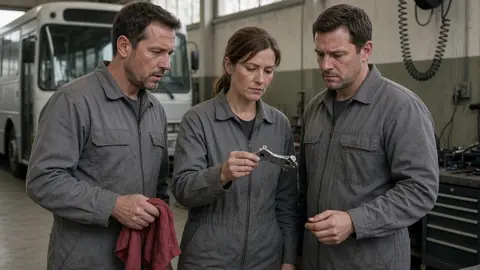
Three-ShotExactly three principal people share readable framing; triangular blocking is optional rather than definitional.
Two-Shot
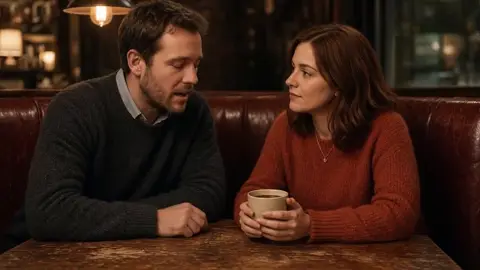
Two-ShotTwo principals remain visible together so their spatial relationship and simultaneous responses can be read.
Video Portraits
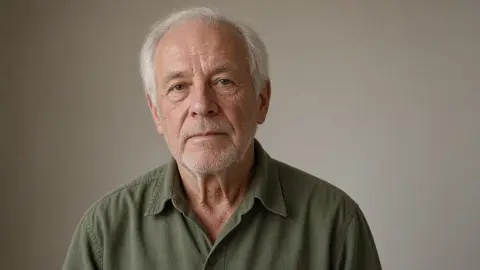
Video PortraitsA sustained stable study of one person uses small living movements and duration as its main content.
Wide Shot
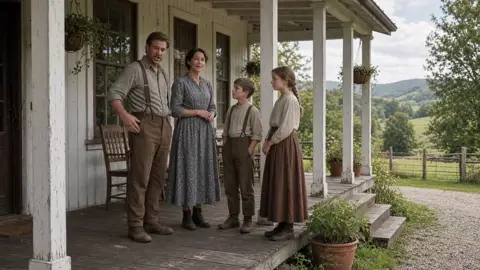
Wide ShotEnvironment-forward framing keeps people, routes and spatial relationships readable within a scene.